Solar-Powered Attic Fans: Sustainable Cooling for Your Home

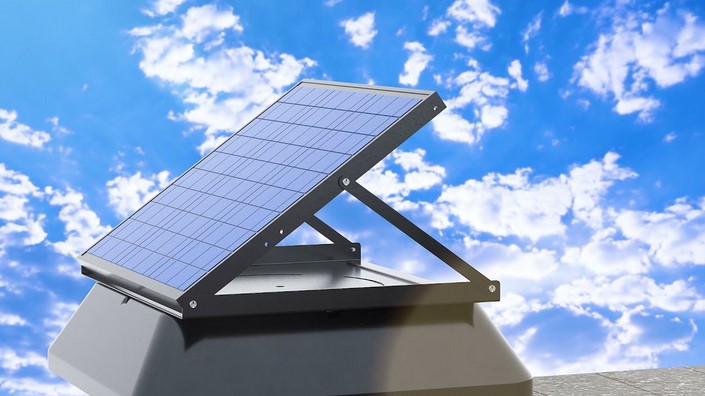
As the demand for energy-efficient solutions continues to grow, homeowners are increasingly turning to sustainable technologies that reduce energy consumption and lower utility costs. One such innovation is the solar-powered attic fan. These fans use the power of the sun to improve airflow and regulate temperature in your attic, helping to maintain a cooler home and reduce the load on your air conditioning system. Not only do they provide an eco-friendly solution for attic ventilation, but they also lower energy bills and promote a more comfortable living environment.
The use of solar-powered attic fans offers a variety of benefits for homeowners looking to embrace sustainability while improving their home’s energy efficiency. These systems are relatively easy to install and require little to no ongoing maintenance, making them a smart investment for both new and existing homes. In this article, we’ll explore how solar-powered attic fans work, the advantages they offer, and why they’re becoming a popular choice for homeowners seeking a greener, more energy-efficient home.
How Do Solar-Powered Attic Fans Work?
To fully appreciate the benefits of solar-powered attic fans, it’s important to understand how they function. The primary purpose of an attic fan is to circulate air through the attic, preventing heat buildup, which can otherwise lead to increased indoor temperatures and moisture accumulation. A solar-powered attic fan operates on a similar principle to a traditional attic fan but with the added advantage of using solar energy as its power source.
1. Solar Panel Activation
Solar-powered attic fans are equipped with solar panels that harness sunlight to generate electricity. These panels are typically installed on the roof of the house and are designed to capture direct sunlight. As sunlight hits the panels, they convert the light energy into electrical power, which is used to run the fan. This means that during the daytime, the fan operates without drawing power from the home’s electrical grid, making it an entirely sustainable option for cooling your attic.
2. Air Circulation
The fan itself is mounted near the roof of the attic, where it works to exhaust hot air and moisture, helping to keep the attic temperature regulated. By promoting proper air circulation, a solar-powered attic fan reduces the buildup of heat, which can cause problems such as warped roofing materials or excess moisture leading to mold and mildew growth. The fan expels hot air from the attic while allowing cooler air to enter through soffit vents or other intake areas, ensuring a continuous flow of fresh air.
This process not only keeps the attic cooler but can also extend the lifespan of the roof and other structural components of the home by preventing overheating and moisture damage.
Advantages of Solar-Powered Attic Fans
Integrating solar-powered attic fans into your home can provide a wide range of benefits. Below are some of the top advantages that make this technology an appealing option for homeowners:
1. Energy Savings
One of the most significant benefits of solar-powered attic fans is the reduction in energy costs. Traditional attic fans are powered by electricity from the grid, which can increase your energy bills. Solar-powered fans, however, operate entirely on solar energy during the day, meaning they don’t require any electricity from your home’s power supply. As a result, you can reduce your overall electricity consumption, leading to lower utility bills.
Because solar fans are powered by renewable energy, they can also help reduce your carbon footprint, making them a more eco-friendly option for homeowners looking to promote sustainability in their everyday lives.
2. Improved Indoor Comfort
In many homes, an overheated attic can lead to uncomfortable indoor temperatures. Excess heat in the attic can radiate into the living areas below, making it more difficult to maintain a comfortable temperature throughout the home. By regulating the temperature in the attic, solar-powered attic fans can prevent the buildup of heat, which in turn can keep the entire home cooler.
With a cooler attic, your air conditioning system won’t have to work as hard to cool your home, allowing it to maintain a comfortable indoor temperature more easily. This can make your living space more comfortable and reduce your reliance on air conditioning, especially during the summer months.
3. Protection Against Moisture Damage
Moisture buildup in the attic can lead to a variety of issues, including mold, mildew, and wood rot. Excess moisture can also cause insulation to lose its effectiveness, leading to higher energy costs. By circulating air and keeping the attic cooler, a solar-powered attic fan helps prevent the accumulation of moisture and the growth of mold and mildew.
Additionally, regulating attic temperature and humidity can protect the structure of your home, including wooden beams, insulation, and roofing materials, all of which are susceptible to damage from excessive moisture.
4. Low Maintenance and Longevity
Solar-powered attic fans are designed to be low-maintenance, requiring only occasional cleaning to ensure that the fan and solar panels are free of debris. Unlike traditional attic fans, which can be noisy and require periodic servicing or motor replacements, solar-powered fans have fewer moving parts and tend to have a longer lifespan.
Most solar-powered attic fans are built to last for many years, making them a cost-effective investment. Their durability and minimal maintenance needs mean homeowners can enjoy consistent, reliable performance without the hassle of regular repairs or replacements.
Installing a Solar-Powered Attic Fan
Installing a solar-powered attic fan is a relatively simple process that can be done during the construction of a new home or as a retrofit for an existing one. Here are the basic steps involved in installation:
1. Selecting the Right Fan
When selecting a solar-powered attic fan, it’s important to choose the right size and capacity for your home. The size of the fan needed depends on the size of your attic and the amount of heat buildup. A general rule of thumb is that a fan should be able to exhaust at least 1,000 cubic feet of air per minute (CFM) for every 300 square feet of attic space. Consulting a professional installer or contractor can help you determine the best fan for your specific needs.
2. Roof Installation
The fan is typically installed on the roof of the house, near the peak or in a location where it can receive maximum sunlight exposure. The solar panel is usually mounted on the roof as well, either directly on the fan or as a separate unit, depending on the design of the system.
3. Wiring and Setup
Once the fan and solar panel are installed, the fan is wired to the panel, ensuring that the solar energy is harnessed and used to power the fan. The system is designed to automatically turn on when the sun’s rays are strong enough to generate power, making the fan efficient and easy to operate.
Many solar-powered attic fans come with built-in thermostats that allow the fan to turn on when the attic temperature reaches a certain threshold, ensuring that it only operates when necessary.
In conclusion, solar-powered attic fans offer a sustainable, energy-efficient solution for homeowners looking to improve the ventilation and cooling of their homes. By using solar energy to power attic fans, you can reduce energy costs, improve indoor comfort, protect your home from moisture damage, and promote a greener, more eco-friendly lifestyle. These fans are low-maintenance, long-lasting, and easy to install, making them an ideal choice for both new and existing homes. If you’re looking for a practical way to enhance your home’s energy efficiency, a solar-powered attic fan could be the perfect solution.