Energy-Efficient Fireplace Inserts: Stay Warm Without High Bills

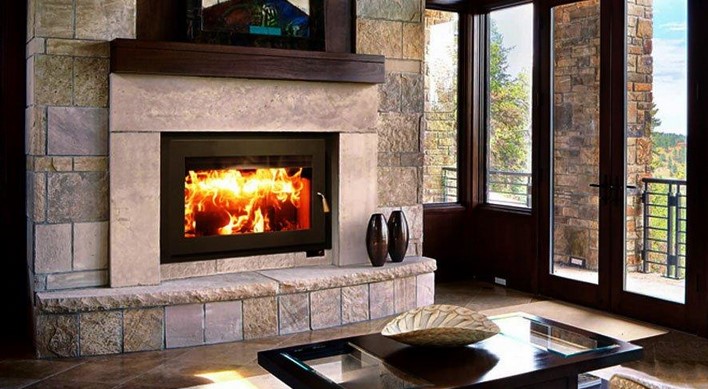
As the cold weather sets in, the comfort of a warm home becomes essential. Traditional fireplaces, while charming, often fall short when it comes to energy efficiency. However, with the rise of energy-efficient fireplace inserts, homeowners now have a sustainable and cost-effective way to heat their homes without relying on expensive energy sources. These inserts are designed to maximize heat output while minimizing energy consumption, offering a smart solution to stay cozy through winter months without the worry of high utility bills. In this article, we’ll explore the benefits of energy-efficient fireplace inserts, their functionality, and how they can help you maintain a warm and energy-efficient home.
1. What Are Energy-Efficient Fireplace Inserts?
An energy-efficient fireplace insert is a modern upgrade designed to enhance the performance of your existing fireplace. Instead of using a traditional open flame that loses a significant amount of heat through the chimney, these inserts are enclosed units that fit inside the existing fireplace space. They are typically powered by either gas, wood, or electricity and are designed to create a more controlled and efficient heating environment.
How Do Energy-Efficient Fireplace Inserts Work?
Energy-efficient fireplace inserts work by sealing off the open fire and creating a more contained combustion chamber. This system allows heat to be distributed more effectively throughout the room, significantly reducing heat loss. Many inserts are equipped with a blower or fan that circulates warm air, ensuring that the warmth is evenly distributed throughout the space. Additionally, these units come with glass doors, which help retain heat and prevent it from escaping up the chimney.
Compared to traditional fireplaces, which can waste up to 90% of the heat produced, energy-efficient inserts can retain and deliver up to 70% more of the heat into the room. This increase in efficiency makes them a much more sustainable and cost-effective option for heating your home.
Types of Energy-Efficient Fireplace Inserts
There are several types of energy-efficient fireplace inserts to choose from, each with its own benefits and features. The most common types include:
- Gas Fireplace Inserts: These are easy to use, as they can be turned on and off with a switch or remote control. They provide consistent heat without the need for a wood supply. Gas inserts are highly efficient and offer the convenience of quick, clean heating.
- Wood Fireplace Inserts: For those who enjoy the ambiance and scent of burning wood, wood-burning fireplace inserts provide an energy-efficient alternative to open wood fireplaces. They use advanced combustion technology to create a hotter, cleaner burn, which maximizes heat output while minimizing pollutants.
- Electric Fireplace Inserts: Electric inserts are the simplest to install and use. They do not require venting, making them ideal for homes where venting might be a challenge. While they don’t provide the same level of heat as gas or wood, they offer the benefit of a clean, eco-friendly heating option, especially for smaller spaces.
Each of these inserts has its own unique features, and the choice largely depends on your home’s heating needs and your preference for fuel type.
2. Benefits of Energy-Efficient Fireplace Inserts
Investing in an energy-efficient fireplace insert offers numerous benefits beyond just saving money on heating bills. These benefits can significantly improve the overall comfort and efficiency of your home.
Reduced Heating Costs
The most significant advantage of energy-efficient fireplace inserts is their ability to lower heating costs. Traditional open fireplaces can cause substantial heat loss through the chimney, forcing your central heating system to work harder. With an insert, you can heat a room more effectively and rely less on your central heating system. This can lead to noticeable savings on your energy bills over time, particularly in colder months when heating demand is highest.
Improved Heating Efficiency
As mentioned earlier, energy-efficient inserts are designed to direct heat into the room rather than letting it escape up the chimney. This means you’ll experience better heat retention and distribution, ensuring that the warmth stays where it’s needed most. Whether you’re using a gas, wood, or electric insert, the efficiency of these units allows for more effective room heating with less fuel.
Environmentally Friendly
For homeowners concerned about their carbon footprint, many energy-efficient fireplace inserts offer a greener alternative to traditional heating methods. Wood-burning inserts, for example, use advanced combustion technology to produce fewer emissions than an open fire. Similarly, electric and gas inserts are much cleaner than using a wood fire or relying on electric space heaters. By opting for a more energy-efficient system, you’re not only saving money but also helping to reduce your household’s overall environmental impact.
Aesthetics and Comfort
In addition to their efficiency, energy-efficient fireplace inserts also provide aesthetic value and enhance the ambiance of any living space. The flickering flames, combined with the controlled warmth, create a cozy and inviting environment. Many inserts are also designed with modern, stylish features that can complement various interior design styles, from rustic to contemporary.
Moreover, many inserts come with customizable options, such as remote controls, adjustable flame settings, and thermostats, offering a convenient and tailored heating experience.
3. How to Choose the Right Energy-Efficient Fireplace Insert
Choosing the right energy-efficient fireplace insert for your home involves several factors that will affect its performance, aesthetics, and overall cost. Here are a few key considerations to help you make an informed decision:
1. Fuel Type
The first thing to consider is the type of fuel you want to use. Gas inserts are highly efficient and easy to use, offering a convenient solution for those who don’t want to deal with the mess or maintenance of a wood-burning fire. Wood inserts, while more labor-intensive, provide a traditional, rustic experience and are favored by those who enjoy the crackle and smell of a real fire. Electric inserts are the easiest to install and maintain but are generally best suited for smaller spaces.
2. Size and Heating Capacity
It’s crucial to choose an insert that fits your fireplace’s dimensions. You should also consider the size of the room you want to heat. Some inserts are designed to heat small spaces, while others are built for larger rooms or open-plan areas. Check the manufacturer’s specifications for the recommended square footage to ensure you select an insert with the appropriate heating capacity.
3. Efficiency Ratings
Look for inserts with high efficiency ratings, which indicate how much heat is retained and directed into your living space. Inserts with a higher efficiency rating will deliver more warmth with less fuel, making them a better investment over the long term. Additionally, some models have energy star certifications or other green labels, ensuring they meet specific environmental standards.
4. Design and Features
Aesthetic appeal matters as well. Modern energy-efficient fireplace inserts come in a variety of designs, from traditional to contemporary. Some models also come with features like adjustable flame settings, built-in blowers, and programmable thermostats, which can further enhance comfort and convenience.
Energy-efficient fireplace inserts are a great solution for homeowners looking to stay warm during the winter months without facing sky-high heating bills. By replacing an open fireplace with an insert, you can maximize the efficiency of your heating system while also reducing your environmental impact. Whether you opt for gas, wood, or electric, these inserts are designed to provide a clean, cost-effective, and aesthetically pleasing heating solution. Investing in an energy-efficient fireplace insert not only improves the warmth and comfort of your home but also offers long-term savings and sustainability, making it a wise choice for any homeowner.