Decorative Patio Tiles: Add Color and Texture to Your Outdoor Spaces

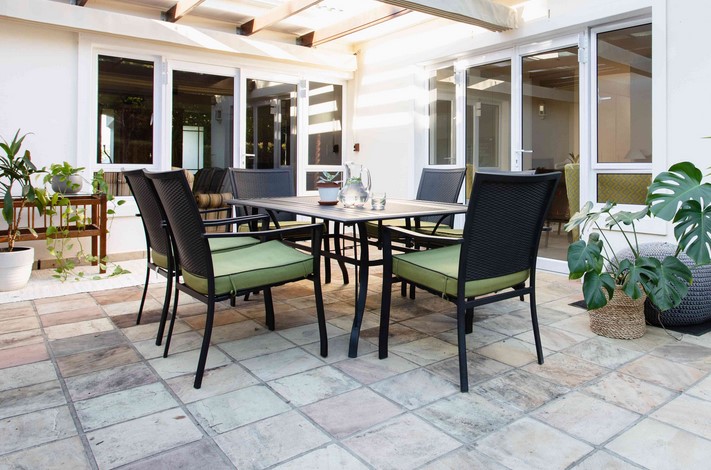
When designing your outdoor living areas, one of the most impactful choices you can make is selecting the right patio flooring. Decorative patio tiles not only enhance the aesthetic appeal of your outdoor spaces but also offer durability, functionality, and versatility. Whether you are designing a cozy backyard retreat, a large entertainment area, or a serene garden space, incorporating decorative tiles can add color, texture, and a touch of personality to your patio. In this article, we will explore how decorative patio tiles can transform your outdoor spaces, the different types of decorative tiles available, and key considerations for choosing the right ones for your home.
1. The Benefits of Decorative Patio Tiles
Patios are exposed to the elements year-round, which means the materials used must be both visually appealing and resilient. Decorative patio tiles offer several advantages that make them a popular choice for outdoor flooring, including their ability to withstand harsh weather conditions, ease of maintenance, and wide variety of designs. Let’s explore the primary benefits of choosing decorative tiles for your outdoor living area.
Aesthetic Appeal
One of the most obvious reasons to choose decorative patio tiles is their ability to enhance the visual appeal of your outdoor space. Decorative tiles come in an array of colors, patterns, and textures that can complement any style, from contemporary to Mediterranean, rustic, or tropical. Whether you’re looking for intricate geometric patterns, classic Mediterranean designs, or colorful mosaics, there’s a tile that can perfectly capture the vibe you’re aiming for. By selecting tiles with unique designs, you can create an outdoor space that feels personalized and vibrant, adding a level of sophistication and charm.
Durability and Longevity
Patio areas are subject to a variety of outdoor conditions, including rain, direct sunlight, and temperature fluctuations. Decorative patio tiles, particularly those made from ceramic, porcelain, or natural stone, are highly durable and can withstand these elements without fading, cracking, or deteriorating. Additionally, these tiles are resistant to moisture, which makes them ideal for areas with high humidity or frequent rain. With proper installation and maintenance, your decorative patio tiles will last for many years, providing long-term value for your home.
Easy Maintenance
Maintaining a beautiful outdoor space doesn’t have to be difficult. Decorative patio tiles are relatively easy to clean and maintain. Most tiles, especially ceramic and porcelain varieties, can be wiped clean with a simple mop or sponge, and the grout lines can be cleaned with mild detergents. For areas with more foot traffic or exposure to dirt and debris, tiles may require periodic cleaning, but overall, they are low-maintenance compared to other outdoor flooring options like wood or carpeting. Additionally, the smooth surface of most tiles prevents dirt from accumulating in hard-to-reach areas, making them a practical and hygienic option.
Versatility in Design
Another reason to opt for decorative patio tiles is their versatility in design. You can choose tiles based on their color, texture, and style to create a cohesive outdoor look. Whether you want a monochromatic design for a modern look, a natural stone effect for a rustic vibe, or colorful patterned tiles to inject a lively personality into your outdoor space, the options are endless. Tiles can also be used in various ways—on the floor, as wall accents, or even as a decorative border or focal point.
2. Types of Decorative Patio Tiles
There are many types of decorative patio tiles to choose from, each offering different aesthetics, materials, and properties. Let’s explore some of the most popular types of tiles and how they can be used in your outdoor space.
1. Ceramic Tiles
Ceramic tiles are among the most popular choices for outdoor patios due to their affordability, variety, and durability. They come in an extensive range of designs, from solid colors to intricate patterns, and can easily complement a variety of outdoor styles. Ceramic tiles are also non-porous, which means they are resistant to moisture and easy to clean.
For outdoor use, it’s essential to choose ceramic tiles with a higher level of slip resistance. You can achieve this by selecting glazed or textured tiles that provide traction, preventing accidents when the tiles are wet. Ceramic tiles can be arranged in different patterns, such as herringbone or chevron, to create visually interesting designs.
2. Porcelain Tiles
Porcelain tiles are a higher-end option compared to ceramic tiles and are known for their superior durability and water resistance. Made from fine-grain clay and fired at high temperatures, porcelain tiles are denser and less porous, which makes them an ideal choice for outdoor patios exposed to the elements. These tiles are resistant to staining, fading, and scratching, ensuring that they maintain their appearance for many years.
Porcelain tiles come in a wide variety of designs and finishes, including options that mimic natural stone, wood, or even cement. They can also be textured for enhanced slip resistance, making them a safe option for outdoor areas prone to moisture.
3. Natural Stone Tiles
Natural stone tiles, including slate, travertine, granite, and limestone, offer a luxurious and organic feel to any outdoor space. These tiles feature unique patterns and colors, making them perfect for homeowners who want a one-of-a-kind look. While natural stone is more expensive than ceramic or porcelain, it adds timeless elegance and value to your home.
Stone tiles are highly durable and perfect for patios that receive a lot of foot traffic. However, they may require periodic sealing to protect against water absorption and staining. Natural stone tiles are best for homeowners seeking a natural, earthy vibe in their outdoor space.
4. Cement and Concrete Tiles
For a modern, industrial look, cement and concrete tiles are a great option. These tiles are incredibly durable and can be molded into various shapes and designs, including colorful, bold patterns. They are also highly customizable, allowing you to create bespoke patterns that reflect your personal taste.
Concrete and cement tiles have a rough texture, which makes them naturally slip-resistant, making them perfect for wet areas like patios near pools or gardens. However, these tiles can be porous and may need to be sealed regularly to prevent water absorption and staining.
5. Mosaic Tiles
If you’re looking for intricate patterns and designs, mosaic tiles are an excellent choice. Typically made from ceramic, glass, or porcelain, mosaic tiles come in small pieces that can be arranged to form larger, colorful patterns. These tiles are perfect for creating a statement piece on your patio, such as a decorative focal point, a border, or even an entire tiled patio.
Mosaic tiles can add an artistic flair to your outdoor spaces and are ideal for homeowners who want to introduce vibrant colors and detailed designs. However, they require careful installation, as the small pieces need to be properly aligned for the design to look polished.
3. How to Choose the Right Decorative Patio Tiles for Your Home
Selecting the right decorative patio tiles involves considering several factors to ensure that your outdoor space is both stylish and functional. Here are some key points to keep in mind when making your decision:
1. Consider the Climate and Environment
The climate in your area plays a major role in the type of tile you choose. For example, if you live in a region with harsh winters, you should opt for frost-resistant tiles to prevent cracking and damage from freezing temperatures. Similarly, if you live in an area with high humidity or frequent rain, it’s essential to choose tiles that are water-resistant and slip-resistant.
2. Determine the Level of Foot Traffic
The level of foot traffic your patio receives will influence the type of tile you choose. High-traffic areas require tiles that are durable and resistant to scratches and stains. For these areas, porcelain or natural stone tiles are ideal due to their hardness and resilience.
3. Match Tiles to Your Patio Style
Your patio’s design and the overall aesthetic of your home should also guide your tile selection. For example, if your home has a modern or minimalist style, you might prefer sleek, monochromatic tiles, while a rustic cottage or Mediterranean-inspired patio may look better with textured or patterned tiles. Consider the existing color palette, furniture, and landscaping to create a harmonious look.
4. Think About Maintenance
Different tiles require different levels of maintenance. Ceramic and porcelain tiles are low-maintenance and easy to clean, while natural stone and cement tiles may need more frequent sealing and care. Make sure to choose tiles that align with the amount of maintenance you’re willing to commit to.
Decorative patio tiles are an excellent way to enhance your outdoor spaces with color, texture, and durability. Whether you choose ceramic, porcelain, natural stone, or mosaic tiles, they can elevate the aesthetic of your patio while ensuring long-lasting performance in various weather conditions. By selecting the right tiles based on your design preferences, maintenance requirements, and environmental factors, you can create a beautiful and functional outdoor space that you and your guests can enjoy for years to come. With the vast array of styles, patterns, and materials available, decorative patio tiles offer endless possibilities for transforming your patio into a stunning retreat.