Stone Garden Pathways: Create a Durable and Beautiful Walkway

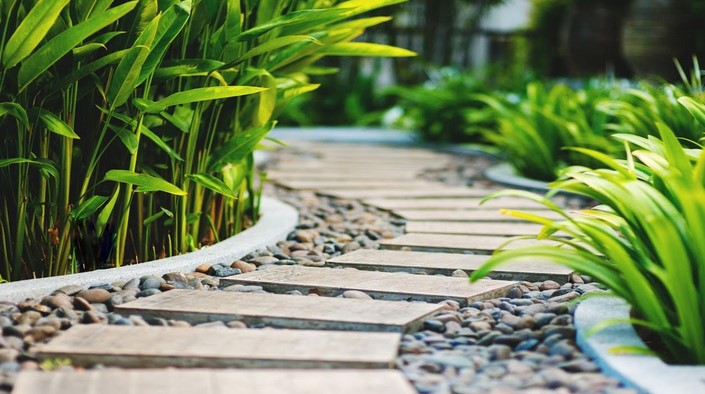
A garden pathway does more than just provide a functional route through your outdoor space—it serves as a design element that enhances the beauty and charm of your landscape. One of the most timeless and durable options for creating a stunning walkway is by using stone garden pathways. Stones, with their natural textures and colors, bring an earthy, rustic, and elegant aesthetic to any garden, and they’re built to withstand the test of time. Whether you’re looking to add visual interest or simply need a practical way to navigate through your garden, a stone pathway can provide the perfect solution. This article will explore the benefits, design ideas, and installation tips for creating a durable and beautiful stone garden pathway.
1. The Advantages of Stone Garden Pathways
Stone garden pathways are a popular choice for landscaping, and for good reason. They offer numerous benefits that enhance both the functionality and beauty of your outdoor space. Here are some of the key advantages of using stones in your garden pathways:
Durability and Longevity
One of the main reasons people choose stone garden pathways is their durability. Stones are incredibly tough and weather-resistant, making them ideal for outdoor environments where other materials might deteriorate over time. Unlike wood, which can warp, rot, or splinter, or concrete, which can crack and stain, stone paths are built to last. Even in harsh climates, stones hold up well under varying temperatures, rain, snow, and direct sunlight.
Whether you’re using slate, flagstone, cobblestone, or another type of stone, the resilience of these materials ensures that your pathway will remain intact for many years with minimal maintenance. As the years go by, stone can develop a beautiful, weathered patina that only adds to its charm.
Aesthetic Appeal
The natural look of stone adds elegance and sophistication to any garden. Stones come in a variety of colors, shapes, and textures, giving you the flexibility to design a pathway that complements your garden’s existing style. Whether you prefer the rich warmth of flagstone, the rustic texture of cobblestones, or the sleek modern look of granite, stone offers endless possibilities to create a pathway that matches your vision.
Stones can also blend seamlessly with other elements in your garden, such as flowers, shrubs, and trees. The natural variations in stone color and texture can enhance the overall aesthetic of your landscape, creating a pathway that feels organic and part of the natural environment.
Low Maintenance
Stone garden pathways require very little maintenance compared to other types of walkways. While some materials might need regular cleaning or resealing, stones are naturally resistant to dirt and staining. In the event that a stone becomes loose or cracked, it can typically be replaced individually without disrupting the rest of the pathway.
In addition, stone pathways help with drainage. Their irregular shape and gaps between the stones allow rainwater to seep into the ground, reducing the risk of puddles or standing water on your walkway. This is especially beneficial in gardens with heavy rainfall or areas prone to flooding.
2. Design Ideas for Stone Garden Pathways
Stone garden pathways can be tailored to suit a variety of garden styles, from formal to informal. Whether you prefer a clean, structured look or a more whimsical, natural design, there are plenty of options for creating a beautiful and functional stone walkway in your outdoor space. Here are a few design ideas to inspire you:
1. Formal, Symmetrical Paths
For a more structured and formal garden, consider using large, uniform stone slabs laid out in a straight or gently curved pattern. These types of pathways work well in manicured gardens, where clean lines and symmetry are emphasized. You can use a single type of stone, like granite or limestone, for a cohesive look, or mix different colors and textures to create subtle variations that add interest while maintaining a sense of order.
To enhance the formal look, consider lining the path with neatly trimmed hedges, low-growing plants, or ornamental grasses. This will add definition to your pathway and help it stand out within the rest of your garden design.
2. Informal, Meandering Paths
For a more natural or cottage-style garden, opt for a meandering stone pathway that follows the contours of the land. Use irregularly shaped stones such as flagstone or river rocks to create a more casual, rustic look. A winding path adds an element of surprise and discovery to your garden, drawing visitors in and inviting them to explore further.
For this type of pathway, allow the stones to be spaced unevenly or slightly askew, creating a more organic feel. You can fill in the gaps between stones with moss, groundcover plants, or gravel, which will not only enhance the natural look but also soften the appearance of the path.
3. Stepping Stones
Another popular design for stone garden pathways is the stepping stone method. Large stones are placed at intervals across the garden, with grass, groundcover, or gravel filling the gaps between them. This creates a relaxed, informal feel, perfect for garden spaces where you want to encourage a more playful or casual interaction with nature.
Stepping stones are also an excellent choice for smaller gardens or for areas where you don’t want the path to dominate the space. By placing the stones farther apart, you allow the surrounding plants to take center stage, creating a more open and airy feel.
4. Decorative Stone Borders
To add a decorative element to your stone garden pathway, consider using smaller stones or gravel to create borders along the edges of the walkway. These borders can help define the path, separate it from the surrounding landscape, and add texture and interest to the overall design. You can also use decorative stone patterns within the pathway itself, such as geometric shapes or mosaic designs, to give your walkway a more personalized touch.
3. Installing Stone Garden Pathways
Once you’ve chosen the type of stone and design for your pathway, the next step is installation. Building a stone garden pathway is a relatively straightforward process, but it does require some preparation to ensure it’s both durable and visually appealing.
Step 1: Plan and Measure
Begin by marking out the path you want to create. Use a garden hose or string to outline the pathway and adjust the curves or lines as needed. Once you’re satisfied with the layout, measure the length and width to determine how much stone you’ll need.
Step 2: Prepare the Ground
For a stable foundation, it’s essential to prepare the ground before laying the stones. Start by removing any grass, weeds, or debris from the path area. Dig down about 2 to 3 inches to create a level surface for the stones. Depending on your chosen design, you may want to add a layer of crushed gravel or sand to improve drainage and stability.
Step 3: Lay the Stones
Begin laying your stones from one end of the path, ensuring they’re spaced evenly and securely. Use a level to check that the stones are aligned and properly seated. If you’re creating a stepping stone pathway, leave gaps between the stones where you can fill in with gravel, soil, or ground cover.
Step 4: Fill in Gaps and Level the Stones
After all the stones are in place, fill the gaps between them with sand, pebbles, or plantings. This will help hold the stones in place and prevent shifting. Ensure that the pathway is even and stable, adjusting the stones as needed.
Step 5: Maintain the Pathway
Once your stone garden pathway is installed, it’s important to keep it well-maintained. Over time, stones may shift or become uneven, so check the pathway regularly and make necessary adjustments. Sweep or wash the stones to keep them free of dirt and debris, and refresh the fill material in the gaps if needed.
Stone garden pathways are a fantastic way to create a durable, beautiful, and functional walkway that enhances the overall aesthetic of your garden. Whether you’re designing a formal, symmetrical path or a more informal, meandering route, stones provide a versatile and long-lasting solution. With their natural beauty and resilience, stone pathways will not only improve the appearance of your landscape but also add value to your home. By following proper installation techniques and maintaining the path over time, you can enjoy your stone garden pathway for many years to come.