DIY Patio Planters: Stylish Containers for Your Outdoor Plants

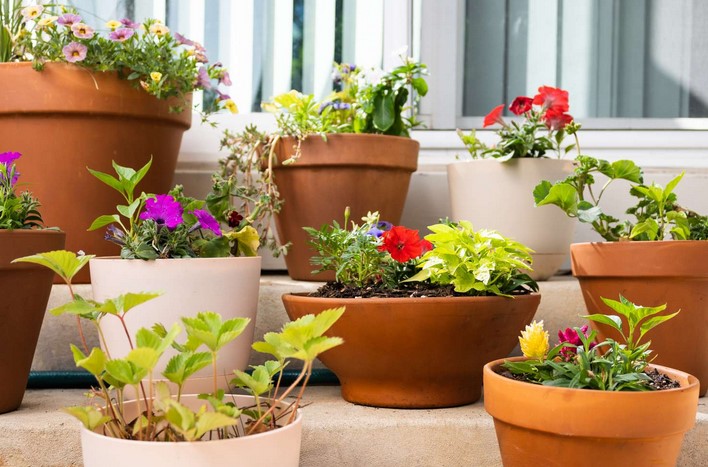
Creating a beautiful, vibrant outdoor space starts with the right planters. Whether you’re looking to add a burst of color to your patio, garden, or balcony, DIY patio planters offer the perfect solution. These custom planters allow you to showcase your plants in unique, stylish containers that reflect your personal taste and complement the aesthetic of your outdoor area. With just a few materials and some creativity, you can build planters that not only serve as functional plant homes but also enhance the beauty of your outdoor space.
Making your own DIY patio planters can be a rewarding project that brings both style and sustainability to your home. From choosing the right materials to exploring design options, this article will guide you through the process of creating personalized planters that are both functional and aesthetically pleasing.
Benefits of DIY Patio Planters
Before diving into the how-to’s of making your own patio planters, it’s important to understand the benefits of creating custom planters for your outdoor space.
1. Customization to Fit Your Space and Style
One of the greatest advantages of DIY patio planters is the ability to customize them to suit your space and style. Whether you prefer a rustic, modern, or minimalist aesthetic, you can choose materials and colors that match the overall vibe of your outdoor area. From geometric shapes to more organic, natural designs, DIY planters can be tailored to fit any design preference.
2. Cost-Effective
Buying designer planters can be expensive, especially if you need several for a large patio or garden. By opting for DIY planters, you can save money by using affordable, readily available materials. Additionally, you can repurpose old containers, wooden pallets, or even discarded furniture into stunning planters, adding to both the sustainability and cost-effectiveness of the project.
3. Sustainability and Recycling
DIY patio planters provide an excellent opportunity for recycling and reusing materials. Many homeowners choose to upcycle materials like wooden crates, old tires, or plastic bottles to create unique planters. This not only keeps waste out of landfills but also gives new life to items that would otherwise be discarded. By using recycled materials, you contribute to a more sustainable lifestyle while creating beautiful outdoor decor.
4. Durability and Longevity
When you make your own planters, you can choose materials that are durable and weather-resistant, ensuring that your planters last for many seasons. By using treated wood, concrete, or other weatherproof materials, you can create planters that are built to withstand the elements, saving you from having to replace inexpensive or poorly made store-bought planters frequently.
Materials You’ll Need for DIY Patio Planters
Now that you understand the benefits, let’s take a look at some common materials you’ll need to create your DIY patio planters.
1. Wood
Wood is one of the most popular materials for making patio planters, thanks to its versatility and natural look. You can use treated lumber, cedar, or reclaimed wood for a rustic or farmhouse-style look. Wood planters can be built to any size, making them perfect for large patio spaces or small, compact areas. To protect the wood from moisture damage, make sure to use a sealant or waterproof finish.
2. Concrete
Concrete planters are durable, heavy-duty, and can withstand the elements, making them ideal for outdoor use. You can cast concrete planters in any shape or size by using molds such as plastic containers or metal tins. Concrete planters have a sleek, modern look and can be painted or decorated to suit your personal style.
3. Plastic or Resin
Plastic and resin planters are lightweight and low-maintenance, making them ideal for those who want an easy-to-move option. While these materials may not have the same natural aesthetic as wood or concrete, they can be painted or wrapped in decorative materials to make them visually appealing. DIY patio planters made from plastic are particularly great for those who want to create a minimalist or contemporary design.
4. Recycled Materials
Repurposing old containers, such as wooden pallets, old crates, tires, or even cans, can give your planters a unique, eco-friendly edge. Not only do these materials reduce waste, but they also add character to your outdoor decor. These types of planters often have a more eclectic or vintage feel, which can be ideal for gardens or patios with a bohemian style.
5. Tools
To build your DIY patio planters, you’ll need basic tools such as a saw (for cutting wood), a drill (for making drainage holes), measuring tape, sandpaper (for smoothing rough edges), and screws or nails. Depending on your chosen material, you may also need a concrete mixer or a mold for casting concrete planters.
Steps to Create DIY Patio Planters
Now that you’ve selected your materials, let’s dive into the steps of creating your very own patio planters. Below are a few simple methods based on different materials you might choose to work with.
1. Wooden Planters:
Materials:
- Lumber (e.g., cedar or treated pine)
- Saw
- Drill
- Screws
- Waterproof wood sealant or paint
Instructions:
- Cut the Wood: Measure and cut your lumber to the desired size. For a rectangular planter, you will need four side pieces, a bottom piece, and four corner posts.
- Assemble the Frame: Using screws, assemble the pieces of wood into a rectangular box. You can secure the corners with wood screws or nails.
- Add the Bottom: Attach the bottom piece of wood to the frame. This will be the base of your planter.
- Seal the Wood: Apply a waterproof sealant or exterior paint to protect the wood from water damage.
- Add Drainage Holes: Drill a few holes in the bottom of the planter to ensure that excess water can drain out.
- Plant and Enjoy: Once the planter is dry, fill it with your favorite soil and plants, then place it in your desired outdoor spot.
2. Concrete Planters:
Materials:
- Quick-setting concrete mix
- Mold (plastic containers or metal tins)
- Plastic wrap or oil (for easy removal)
- Water
- Sandpaper
Instructions:
- Prepare the Mold: Select a mold for your concrete planter. You can use anything from a plastic bucket to a metal tin. Coat the inside of the mold with plastic wrap or oil to ensure that the concrete doesn’t stick.
- Mix the Concrete: Follow the instructions on the quick-setting concrete mix to prepare your concrete.
- Fill the Mold: Pour the concrete mixture into the mold and smooth it out. Make sure to press the mixture firmly to avoid air bubbles.
- Allow to Set: Let the concrete set for at least 24 hours to ensure that it hardens properly.
- Remove the Mold: Carefully remove the mold from the concrete and sand any rough edges.
- Add Drainage Holes: Drill a few holes in the bottom to allow water to escape.
- Plant and Display: Fill with soil and your favorite plants, and place the planter on your patio.
In conclusion, DIY patio planters are a fantastic way to add a personal, stylish touch to your outdoor space. By selecting the right materials and following simple steps, you can create planters that suit your specific design preferences and budget. Whether you opt for wooden, concrete, or recycled materials, DIY planters offer a unique opportunity to customize your patio while contributing to a more sustainable lifestyle. Not only will these planters provide beautiful homes for your outdoor plants, but they will also enhance the overall aesthetic of your garden or patio area, making it an inviting space for relaxation and enjoyment. So, roll up your sleeves, get creative, and start building your own stylish, sustainable patio planters today!