Compact Workspaces at Home: Maximize Your Small Office Area

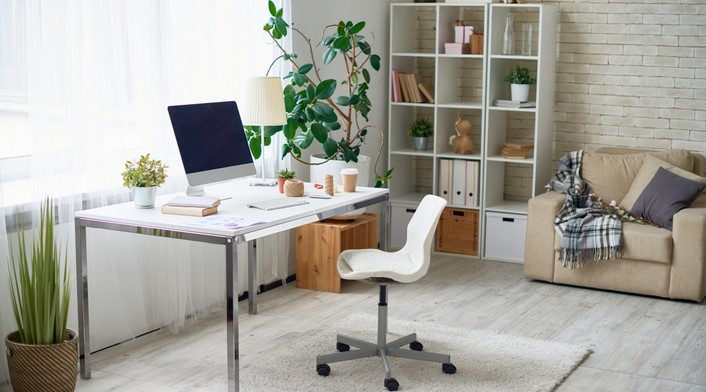
As more people transition to remote work, the demand for efficient, functional, and aesthetically pleasing home office spaces has skyrocketed. However, not everyone has the luxury of a dedicated room or spacious area to set up their work environment. For many, creating an effective and comfortable workspace requires transforming a small, underutilized area into a productive zone. This is where compact workspaces at home come into play. Designing a workspace that is both efficient and inspiring can help you maintain productivity without compromising on comfort or style, even in the smallest of spaces.
Maximizing your small office area doesn’t have to be a daunting task. With thoughtful planning, smart furniture choices, and some creative organization techniques, you can create a compact workspace that works for you. This article will guide you through the steps to optimize your home office area, offering practical solutions for creating a productive environment that promotes both focus and efficiency.
Why Focus on Compact Workspaces at Home?
Creating a compact workspace at home is essential for those who need to balance work and home life in limited space. Whether you’re working from a corner in the living room, converting a closet into an office, or setting up in a shared bedroom, a well-designed compact workspace can improve your workflow, reduce distractions, and provide a clear boundary between work and relaxation.
1. Space Efficiency
One of the primary reasons to focus on compact workspaces is the efficient use of space. In smaller homes or apartments, there’s often limited room for a full-sized office. A compact workspace allows you to make the most of what you have, incorporating multifunctional furniture, clever storage solutions, and a streamlined layout. This approach helps prevent clutter and makes it easier to focus on the task at hand, even in a small area.
2. Productivity Boost
An organized, intentional workspace can improve concentration and productivity. A dedicated, clutter-free environment is crucial for staying focused, and a compact workspace at home can be designed to minimize distractions. Even within the constraints of limited space, an efficiently arranged home office can increase work output by providing a clear, designated area for professional tasks.
3. Cost Savings
Designing a compact workspace doesn’t have to break the bank. Rather than investing in large, bulky office furniture, you can opt for more affordable, space-saving alternatives. The savings from not needing an entire room can also be allocated to high-quality, ergonomic furniture that enhances comfort and efficiency.
Key Elements of Designing a Compact Workspace
The challenge of creating a compact workspace lies in maximizing both functionality and aesthetics. Here are some essential elements to consider when designing your home office:
1. Choose the Right Furniture
The furniture you choose plays a significant role in optimizing your small office space. In a compact workspace, you need to be selective about what you include. Here are some furniture options to consider:
- Wall-Mounted Desks: Wall-mounted desks are perfect for small spaces as they take up minimal floor space and can be easily folded away when not in use. Some models even include shelves for additional storage.
- Corner Desks: If you have a corner available, a corner desk can maximize the available space while offering a more ergonomic setup. This design makes use of the space efficiently without requiring an entire wall.
- Adjustable Height Desks: If you prefer flexibility in your working posture, adjustable height desks allow you to alternate between sitting and standing positions. These desks are perfect for small spaces, offering a minimalist aesthetic while improving your comfort and posture.
- Compact Office Chairs: Invest in a comfortable, ergonomic chair that is appropriately scaled to your desk and room. Many office chairs now come in sleek, compact designs that don’t sacrifice comfort or style.
2. Storage Solutions
A lack of space often leads to clutter, but with the right storage solutions, you can keep your workspace organized and tidy. Consider the following options to maximize storage in your compact workspace:
- Vertical Storage: Use vertical space to your advantage. Wall shelves, floating shelves, or pegboards can store office supplies and decorations without taking up valuable floor space.
- Under-desk Storage: Many desks come with built-in storage drawers or filing cabinets. If space is limited, look for a desk with compact drawers for storing documents and office essentials. Alternatively, mobile storage carts can slide under desks and provide easy access to your supplies.
- Multi-purpose Furniture: Consider furniture pieces that serve more than one function. For example, a desk that doubles as a bookshelf or an ottoman that provides storage while serving as additional seating.
- Cable Management: One often-overlooked aspect of a compact workspace is managing cables. Use cable trays, clips, or sleeves to organize and hide electrical cables and charging cords, keeping your desk area neat and clutter-free.
3. Lighting and Ambiance
The right lighting can make a small space feel larger and more inviting. Natural light is always ideal, so place your desk near a window if possible. However, if your workspace lacks natural light, consider investing in quality task lighting. A desk lamp with adjustable brightness or a ceiling-mounted light fixture can illuminate your work area without taking up valuable desk space.
In addition to task lighting, think about the overall ambiance of your compact workspace. Choose colors that promote focus and creativity—neutral tones like white, gray, or soft blues can create a calming environment, while vibrant accent colors can add energy and personality.
Tips for Creating a Functional and Stylish Compact Workspace
When designing a compact workspace at home, it’s essential to balance practicality with style. Here are some practical tips for ensuring your small office is both functional and aesthetically pleasing:
1. Declutter Regularly
A small workspace can quickly become overwhelming if you’re not vigilant about keeping it tidy. Regularly clean your desk, file papers, and throw away or digitize unnecessary documents. A clean workspace promotes focus and can make the room feel larger.
2. Personalize Your Space
Even in a small area, it’s essential to personalize your workspace to make it feel comfortable and motivating. Add a few personal touches, such as artwork, plants, or decorative objects, that reflect your personality and help make the space feel inviting.
3. Create a Functional Layout
When arranging your compact workspace, consider your workflow. Place items you use frequently within easy reach, such as pens, notebooks, or a phone charger. Items you use less often can be stored on shelves or in drawers. A well-organized layout ensures that your workspace remains efficient and easy to navigate.
4. Maintain Flexibility
Although you may have a small office area, consider designing it in such a way that it can adapt to various tasks. For example, a fold-out desk or adjustable chair height can make the space versatile for both work and relaxation. If you occasionally need to host meetings or video calls, incorporate a foldable table or a comfortable seating area that can be easily set up.
In conclusion, creating compact workspaces at home can be both functional and stylish with the right approach. With careful planning, the right furniture choices, and clever organization strategies, you can maximize your small office area to meet your professional needs while maintaining a comfortable and inviting atmosphere. Whether you’re working from a nook in the living room, a converted closet, or a corner of your bedroom, your workspace can be tailored to suit your style and work habits. Embrace the challenge of maximizing your space, and you’ll soon enjoy the benefits of a productive and well-designed home office.