Designing the Perfect Home Studio Setup

In today’s digital age, having a well-equipped home studio is essential for professionals and creatives alike. Whether you’re a musician, podcaster, content creator, or designer, a thoughtfully designed studio space can significantly improve your productivity and output. The key to achieving the perfect home studio setup lies in selecting the right equipment, optimizing the layout, and creating an environment conducive to your work. In this article, we’ll explore some valuable home studio setup ideas that will help you build the perfect creative space tailored to your needs and goals.
Why Your Home Studio Setup Matters
A properly designed home studio not only enhances your creative process but also boosts your efficiency and workflow. The right setup can reduce distractions, improve sound quality, and provide an organized environment where you can focus on your craft. The studio space you create should foster both comfort and functionality, making it easy for you to engage with your work for extended hours without fatigue or frustration.
However, the ideal setup differs for each type of creative work. For instance, a music producer will need acoustically optimized space and specific audio equipment, while a content creator may prioritize lighting and camera positioning. Understanding your individual needs and how to meet them will help you make smart decisions on how to furnish and arrange your home studio. Let’s dive into some tips and ideas that can elevate your studio to the next level.
Key Elements to Consider When Designing Your Home Studio Setup
1. Location and Space Planning
The first step in creating a perfect home studio is choosing the right space in your home. Ideally, this will be a quiet room with minimal outside distractions and interference. While a separate room is ideal, many people transform corners or spare areas into functional studios. Wherever you choose to set up, it’s important to keep these considerations in mind:
- Size and Shape: A small or oddly shaped room may pose challenges for acoustics and equipment arrangement. Consider the layout of the space to ensure that your desk, seating, and equipment fit comfortably.
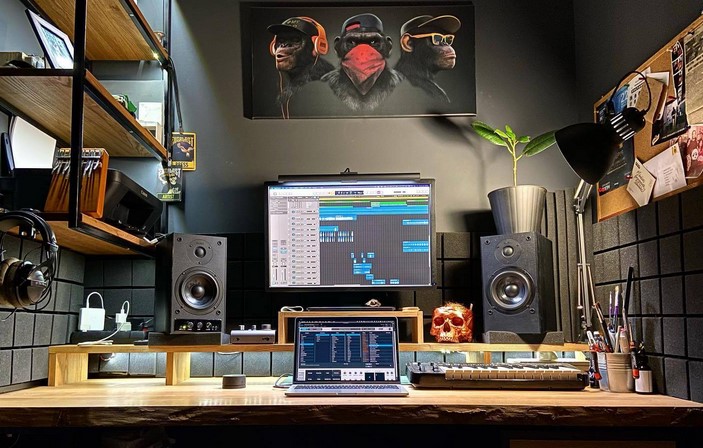
- Acoustic Treatment: Sound quality is one of the most important aspects of any home studio, especially for audio-related work. To minimize echoes and external noise, consider adding soundproofing materials such as foam panels, bass traps, and carpets.
- Lighting: Good lighting plays a major role in enhancing your creativity and reducing eye strain. Natural light is ideal, but if that’s not possible, opt for soft, adjustable LED lighting that doesn’t overpower your workspace.
2. Essential Equipment and Gear
Once you’ve selected your space, the next step is to consider the equipment and tools you’ll need for your particular work. Below are some common essentials for various types of home studio setups:
- Music Production: If you’re setting up a music production studio, you’ll need a computer with powerful audio software, a high-quality audio interface, studio monitors (speakers), headphones, a MIDI keyboard, and an acoustic treatment kit. A comfortable chair and adjustable desk are essential for long working hours.
- Podcasting or Voice-Over Work: For podcasts or voice-over recording, a high-quality microphone, pop filter, headphones, and audio interface are must-have items. Acoustic panels are especially helpful for recording clear and crisp audio without background noise.
- Photography and Videography: If you’re creating visual content, your home studio setup should include professional cameras, a tripod, lighting equipment, backdrops, and a well-designed workspace for editing. A high-resolution monitor is essential for reviewing your footage accurately.
- Art and Design: Artists or designers will need a computer with creative software (such as Adobe Creative Suite), a drawing tablet, a well-organized workspace with shelves or drawers for materials, and adjustable lighting for accurate color work.
3. Organizing Your Studio for Maximum Efficiency
After you’ve secured the necessary equipment, it’s time to think about organization. A well-organized studio promotes both productivity and creativity, as it reduces the stress of searching for tools or cluttered workspaces. Here are some tips to optimize the flow of your home studio:
- Desk Layout: Your desk is likely to be the focal point of your studio. Position it so that it faces the center of the room, allowing for easy access to your tools, such as your keyboard, mouse, or mixer. Consider using a standing desk or an ergonomic chair to reduce strain over long hours of work.
- Cable Management: Cables can quickly become a tangled mess, hindering your ability to work efficiently. Use cable ties, clips, or sleeves to keep cables organized and out of sight. Cable management trays or boxes can also help hide unsightly cords from view.
- Storage Solutions: Depending on the type of work you do, your studio might need additional storage. Invest in shelves, drawers, or bins to organize your equipment and materials. Having a designated storage area helps keep your space tidy and ensures you can find your tools quickly when needed.
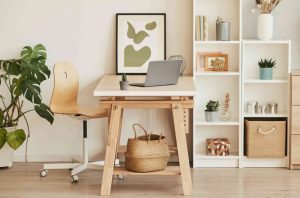
- Personalization: While organization is key, you should also personalize your studio to make it feel inviting and inspiring. Consider adding artwork, plants, or motivational quotes to your space. Surrounding yourself with personal touches can enhance your creativity and make the space feel more comfortable.
Home Studio Setup Ideas for Various Creative Fields
1. For Musicians and Producers
For music producers, the home studio is a place where creativity and technical skill collide. Focus on optimizing acoustics, comfort, and accessibility to all your gear. Soundproofing materials like acoustic foam can reduce reverb and external noise. Invest in high-quality speakers (studio monitors), a MIDI keyboard, and a solid audio interface for clear sound. Organize your desk to have your computer, DAW (digital audio workstation), and mixer within arm’s reach.
2. For Podcasters and Voice Talent
When setting up a podcasting studio, consider a minimalist approach that prioritizes your microphone and audio gear. A high-quality condenser microphone with a pop filter is essential, as it helps produce crisp, professional audio recordings. Ensure that the room is treated for sound with acoustic panels to minimize echoes. A desk-mounted mic arm is a great way to keep your workspace organized while maintaining a clear sound. Keep your gear within arm’s reach for easy access while recording.
3. For Video Creators and Streamers
For video creators or live streamers, your studio setup should accommodate cameras, lighting, and editing equipment. Invest in a high-quality webcam or camera, a tripod, and adjustable lights to achieve the perfect shot. Create a clean background that complements your brand image—whether it’s a minimalist design or a vibrant, personality-filled space. Make sure your workspace is organized with everything you need for content creation within easy reach.
Creating the perfect home studio setup requires thoughtful planning, investment in the right equipment, and strategic organization. By considering factors like room selection, necessary tools, and design aesthetics, you can create a functional and inspiring space that caters to your specific creative needs. With the right equipment and setup, you’ll be able to maximize your productivity and enjoy the process of bringing your ideas to life. Whether you’re an artist, musician, content creator, or voice-over talent, these home studio setup ideas will help you create an environment that supports your work and fosters creativity.