Recessed Lighting Techniques for a Modern Look

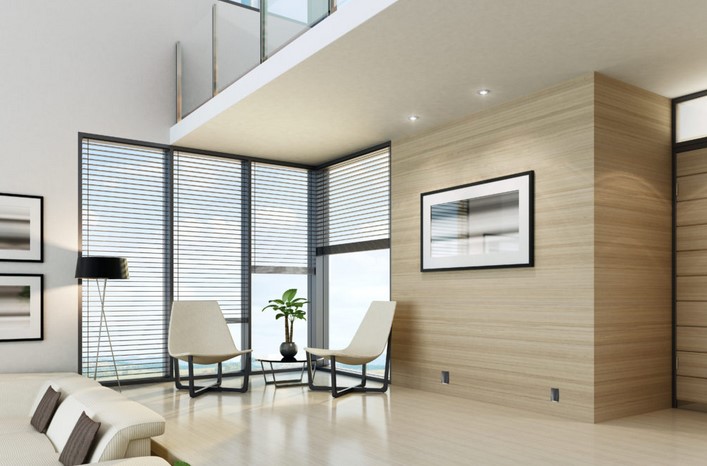
Recessed lighting techniques have become a staple in modern interior design due to their sleek, minimalist aesthetic and ability to provide functional yet subtle illumination. This lighting solution, often referred to as “downlighting,” involves installing fixtures into the ceiling, creating a seamless look that doesn’t interfere with the room’s overall design. As more homeowners and designers seek ways to enhance their spaces with an elegant, unobtrusive style, recessed lighting has grown in popularity. In this article, we’ll explore the various recessed lighting techniques that can transform your home or office, providing both style and practicality while meeting different lighting needs.
The Evolution of Recessed Lighting
Recessed lighting has come a long way since its early use. Initially, recessed fixtures were considered primarily for functional purposes, like illuminating kitchens, bathrooms, or hallways. However, over the years, advancements in technology and design have made recessed lighting a versatile and sophisticated option for any room. Now, these fixtures are used not only for task lighting but also as accent lighting, ambient lighting, or even as a key design feature in modern interior décor.
One of the main appeals of recessed lighting techniques is their ability to blend seamlessly into the ceiling. Since the lights are installed flush with the surface, they create an uncluttered, sleek appearance, making them ideal for modern homes and spaces with minimalist design themes. The absence of bulky fixtures or visible wires allows for a clean, open aesthetic that contributes to the overall spatial flow.
In modern spaces, recessed lighting is not just a tool for illumination but also a way to enhance the room’s architectural features. Strategically placed recessed lights can highlight specific areas, such as artwork or textured walls, and create an atmospheric mood that enhances the space’s character. Whether it’s in a living room, bedroom, office, or even outdoor settings, recessed lighting techniques offer limitless design possibilities.
The Different Types of Recessed Lighting Techniques
1. Task Lighting
One of the most common uses of recessed lighting is for task lighting, where the goal is to illuminate specific areas for focused activities. Kitchens, home offices, reading corners, and bathrooms are prime areas where task lighting is essential. Recessed lighting can be strategically placed above workstations, countertops, or sinks, providing bright and concentrated light where it’s needed most.
For kitchen islands, recessed lighting techniques can be combined with pendant lights or under-cabinet lighting to offer multiple layers of light. In home offices, recessed lights placed above the desk ensure adequate visibility for tasks such as reading, writing, or computer work. The ability to direct the light precisely to these spaces ensures that the task at hand is well lit without the need for large, obtrusive light fixtures.
2. Accent Lighting
In addition to its functionality, recessed lighting can be an effective tool for accent lighting. Accent lighting is designed to highlight specific features or elements of a room, such as artwork, sculptures, or architectural details. By using adjustable recessed lights, designers can create dramatic effects that focus attention on key features, helping to define the space.
For example, recessed lights placed above a piece of art or a feature wall can create a spotlight effect that draws attention to these objects. This technique is particularly popular in living rooms, galleries, and dining areas where showcasing artwork or other decorative elements is desired. By placing lights at different angles, the room’s ambiance can be customized to suit the design vision.
3. Ambient Lighting
Ambient lighting is the foundation of any well-lit room and is used to provide overall illumination. Recessed lighting techniques are especially effective for ambient lighting because they offer broad coverage without creating harsh shadows. When installed in the right configuration, recessed lights can distribute light evenly across a room, ensuring every corner is well-lit without the need for bulky fixtures hanging from the ceiling.
For optimal ambient lighting, recessed lights should be spaced evenly across the ceiling to avoid uneven lighting or dark spots. When paired with dimmer switches, recessed lighting can also offer flexibility, allowing users to adjust the lighting intensity based on the time of day or the desired mood. In bedrooms, living rooms, and home theaters, this ambient lighting can provide a soft, inviting glow perfect for relaxation.
Key Considerations When Installing Recessed Lighting
Choosing the Right Size and Placement
The size of the recessed lights and their placement are critical factors in achieving the desired effect. A common mistake is over or under-lighting a room by using fixtures that are too large or too small for the space. To ensure proper lighting, it is important to assess the room’s dimensions and the lighting needs of the area. Larger rooms may require larger fixtures or additional recessed lights for adequate coverage, while smaller rooms can benefit from more compact fixtures.
The spacing of recessed lights is also crucial for creating a balanced effect. A general rule of thumb is to place lights about 4 to 6 feet apart, depending on the ceiling height and the brightness of the bulbs used. If the goal is to highlight specific areas, like a piece of artwork or a particular corner, the lights should be placed at the appropriate distance to achieve a focused beam of light.
Selecting the Right Bulb and Trim
Recessed lighting fixtures come with a variety of bulb options, including LED, halogen, and incandescent bulbs. LEDs are a popular choice due to their energy efficiency, long lifespan, and ability to provide both warm and cool lighting tones. The type of bulb chosen should be based on the desired atmosphere—warm light creates a cozy ambiance, while cool light is better for task-oriented spaces.
The trim of the recessed light fixture also plays a role in the lighting effect. Trims come in a variety of styles, such as baffle, reflector, and adjustable trims. The trim design affects how the light is distributed in the room and can either soften the light or create a focused beam. For areas requiring focused lighting, adjustable trims are ideal, while baffle trims work well for reducing glare and providing a more diffused light.
Recessed lighting techniques have proven to be a valuable and versatile tool in modern interior design. By offering a clean, minimalist aesthetic, these techniques enhance any space by providing the perfect balance of functional, task, accent, and ambient lighting. Whether you’re looking to brighten a room, highlight a feature, or create a mood, recessed lighting can be tailored to fit the needs of your design vision. As we continue to embrace innovation in lighting, recessed lighting remains a go-to solution for achieving a sophisticated, contemporary look that doesn’t overwhelm the space. Integrating these recessed lighting techniques into your home or office can provide an elegant, modern touch that is both practical and visually appealing.