Energy-Efficient Cooling Fans: Stay Cool Without Breaking the Bank

As temperatures rise during the warmer months, keeping cool becomes a priority, but air conditioning can often lead to sky-high energy bills. If you’re looking for a more cost-effective and environmentally friendly alternative, energy-efficient cooling fans offer a practical solution. These fans provide effective cooling without consuming as much electricity as traditional air conditioners, helping you save money and reduce your carbon footprint. In this article, we’ll explore how energy-efficient cooling fans work, the different types available, and how to choose the best one for your home to stay comfortable without breaking the bank.
How Do Energy-Efficient Cooling Fans Work?
At their core, energy-efficient cooling fans operate on the same principle as traditional fans—they circulate air to create a cooling effect. However, the key difference lies in their design and technology, which allow them to use less power while still providing the same level of comfort. These fans are typically built with features such as low-energy motors, improved aerodynamics, and programmable settings that reduce energy consumption while optimizing airflow.
1. Low-Power Motors
Energy-efficient fans are equipped with motors designed to use less electricity while still delivering high airflow. Traditional fans can consume significant amounts of power due to inefficient motor design, whereas energy-efficient versions are engineered to minimize electrical usage. This means that even though the fan is running, it’s not draining your power supply or contributing excessively to your electricity bill.
2. Optimized Blade Design
The blades of energy-efficient cooling fans are designed to improve air circulation with minimal effort. Many modern fans feature specially engineered blades that are more aerodynamic, allowing them to move air effectively without consuming as much power. This enhanced design ensures that the fan operates efficiently, providing maximum airflow while using less energy.
3. Programmable Settings and Features
One of the biggest advantages of energy-efficient cooling fans is the range of programmable features they often include. Timers, oscillation controls, and variable speed settings allow you to customize the fan’s operation to suit your needs, ensuring that the fan is only working when necessary. Many fans can also be set to automatically shut off after a set period, preventing them from running unnecessarily and wasting energy.
4. Smart Fan Technology
In recent years, many cooling fans have incorporated smart technology, allowing you to control them via your smartphone or home automation systems. These smart fans can be programmed to turn on or off based on temperature, humidity, or even your personal schedule. This feature allows you to ensure that the fan is only running when it’s needed, further reducing energy waste and enhancing comfort.
Types of Energy-Efficient Cooling Fans
When it comes to energy-efficient cooling fans, there are several types to choose from, each with unique features and applications. Here are the most common options available:
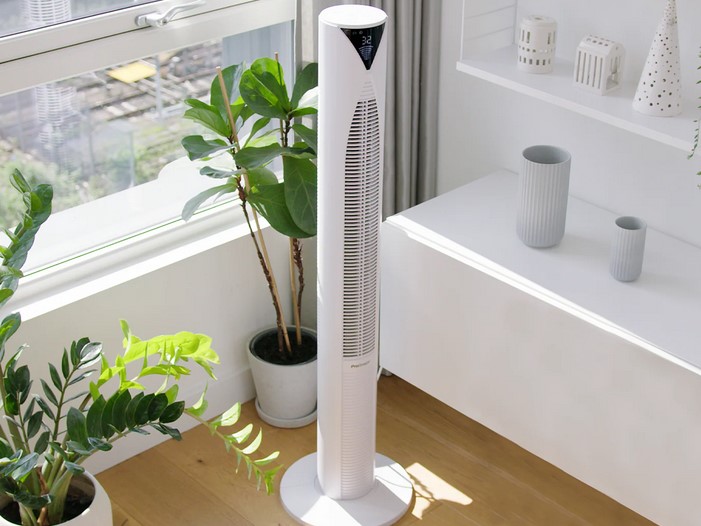
1. Tower Fans
Tower fans are slim, vertical units that can provide powerful airflow while occupying very little floor space. They are often quieter than traditional fans and are a popular choice for small to medium-sized rooms. Many tower fans include features such as oscillation, multiple speed settings, and timers, making them ideal for energy-efficient cooling.
Benefits:
- Space-saving design.
- Quiet operation.
- Multiple settings for customizable airflow.
2. Box Fans
Box fans are a more traditional option but can be extremely effective in circulating air. These fans are typically more powerful than tower fans and can move large volumes of air, making them suitable for larger spaces or when you need to cool a room quickly. Modern box fans are often designed to be more energy-efficient than their older counterparts, incorporating low-power motors and advanced blade designs.
Benefits:
- High air circulation.
- Great for larger rooms or areas with poor ventilation.
- Simple and cost-effective.
3. Ceiling Fans
Ceiling fans are a classic solution for home cooling, and when designed with energy efficiency in mind, they can offer substantial savings on your energy bills. These fans operate quietly and circulate air effectively throughout the room. Many modern ceiling fans are equipped with energy-efficient motors and blades, as well as adjustable speed settings and light features that can further enhance their efficiency.
Benefits:
- Long-term, whole-room air circulation.
- Energy-efficient ceiling fan motors.
- Can be installed with light fixtures for added functionality.
4. Desk and Personal Fans
Desk or personal fans are small, portable fans that are designed to cool individual spaces. These fans are ideal for personal use at desks, nightstands, or workspaces, where you need direct cooling without wasting energy. Modern personal fans often feature adjustable settings, so you can control the level of airflow and minimize energy consumption.
Benefits:
- Compact and portable.
- Ideal for cooling personal spaces.
- Energy-efficient motors designed for low power use.
5. Window Fans
Window fans are installed in open windows and work by pulling cooler air into a room or pushing warm air out. They are an excellent choice for homes that experience high temperatures in the summer. These fans are typically more energy-efficient than air conditioners, and many modern window fans feature reversible motors, so they can function in both directions depending on your needs.
Benefits:
- Great for ventilation and improving airflow.
- Can be used to exhaust warm air or bring in cool air.
- Cost-effective alternative to air conditioning.
How to Choose the Right Energy-Efficient Cooling Fan
With so many options available, choosing the best energy-efficient cooling fan for your space can seem overwhelming. To help simplify the process, here are some key factors to consider when selecting a fan:
1. Room Size
The size of the room plays a crucial role in determining which type of fan is best suited for your needs. For larger rooms, you may need a more powerful fan, such as a box fan or ceiling fan. For smaller spaces, a tower or desk fan will be sufficient. Make sure to choose a fan with an airflow capacity that can adequately cover the entire area you want to cool.
2. Noise Level
Noise can be a significant factor when choosing a fan, especially if you plan to use it in areas like bedrooms or offices. Fortunately, many modern energy-efficient cooling fans are designed to operate quietly, allowing you to enjoy cooling without the constant hum or buzz. Look for fans that offer quiet operation, particularly those that feature brushless motors.
3. Energy-Saving Features
To get the most out of your fan’s energy-saving capabilities, look for models with features such as:
- Timers: Set the fan to automatically turn off after a certain period, so it doesn’t run unnecessarily.
- Speed settings: Adjustable speeds allow you to tailor the fan’s operation to your needs, using less energy when full power isn’t necessary.
- Smart controls: Many energy-efficient fans now feature smart home integration, allowing you to control them remotely and optimize energy use.
4. Aesthetics and Design
While energy efficiency is the most important factor, you’ll also want to consider the design of your fan to ensure it fits your home décor. From sleek and modern tower fans to more traditional box fans or stylish ceiling fans, there are plenty of designs to match your interior style.
5. Price and Warranty
Energy-efficient fans can vary in price depending on their features, size, and brand. It’s important to find a fan that fits your budget while still offering the features you need. Additionally, check for warranties to ensure you’re covered if anything goes wrong with the fan.
Energy-efficient cooling fans offer an excellent alternative to air conditioning by providing effective cooling while reducing energy consumption. With the right choice of fan, you can stay comfortable in your home without the fear of high utility bills. From tower fans and box fans to ceiling and personal fans, there are plenty of options to suit any space and lifestyle. By understanding your cooling needs and considering factors such as room size, noise level, and energy-saving features, you can select a fan that not only saves you money but also contributes to a more sustainable way of living. Stay cool, save energy, and enjoy the benefits of energy-efficient cooling throughout the summer months and beyond.