Garden Bed Edging Ideas to Beautify Your Yard

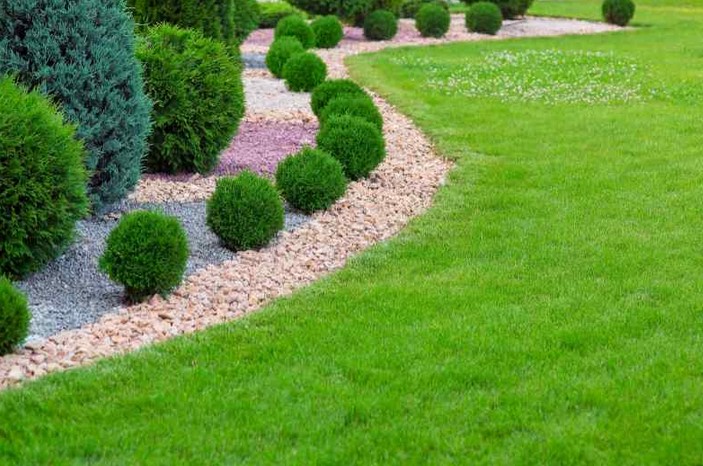
When it comes to enhancing the beauty of your outdoor space, one element often overlooked is the edging around your garden beds. Garden bed edging serves both a functional and aesthetic purpose. It not only defines the shape of your garden but also helps to prevent grass and weeds from invading your flower or vegetable beds, making it easier to maintain your yard. Whether you’re looking to create a neat, formal garden design or something more organic and rustic, there are endless options for garden bed edging that can add a touch of elegance and structure to your yard. In this article, we will explore various garden bed edging ideas, their benefits, and how to choose the right one for your landscape.
Why Garden Bed Edging is Important
Before diving into the different types of garden bed edging, it’s important to understand why garden bed edging is so beneficial. Here are a few reasons why you should consider adding it to your yard:
- Improved Aesthetics
Edging can give your garden beds a clean, defined look. It creates a neat boundary that visually separates garden spaces from lawns or other outdoor areas, enhancing the overall appearance of your yard. Whether you’re aiming for a modern, rustic, or natural style, the right edging can complement the theme of your garden and elevate the entire outdoor space. - Prevent Grass and Weed Encroachment
One of the primary functional benefits of garden bed edging is its ability to prevent grass and weeds from creeping into your garden beds. With the right edging, you can create a physical barrier that discourages grass from invading, allowing your plants to thrive without competition. - Improved Drainage
Certain types of garden bed edging, such as those with a slight slope or those made from permeable materials, can help improve drainage. This is especially beneficial in areas where water tends to collect or where plants need better drainage to prevent root rot. - Easier Lawn Care
Edging can also make lawn maintenance easier. When your garden beds are clearly defined, it’s much easier to mow the lawn without accidentally damaging plants or flowers. It can also help with trimming the edges of the lawn and reducing the chances of overgrowth onto the garden.
Creative Garden Bed Edging Ideas
There are many options for garden bed edging, each offering its own unique aesthetic and functionality. Depending on the style of your garden and the look you want to achieve, here are some ideas to consider:
1. Natural Stone Edging
Stone is one of the most classic and durable materials for garden bed edging. Whether you choose large, irregular rocks or smooth river stones, stone edging adds a natural, timeless beauty to any garden.
- Installation: Stones can be stacked to form a low, informal wall, or you can place them on their sides to create a flat, elegant edge. For a more refined look, you can use cut stones or flagstones, which offer clean lines and a structured appearance.
- Style: Stone edging works well in both formal and informal gardens. In a cottage-style garden, irregular stones provide a rustic feel, while in a formal landscape, neatly arranged flagstones or granite blocks can create a sophisticated, organized look.
Advantages: Stone is durable, weather-resistant, and offers a variety of textures and colors to match your garden’s overall theme. Additionally, stone edging is low-maintenance, and you don’t need to worry about frequent replacements.
2. Wooden Edging
Wooden garden bed edging offers a more rustic, organic look, ideal for creating a natural vibe in your garden. It’s a versatile option that can be used to create both formal and casual landscapes.
- Installation: You can use wooden planks, logs, or even reclaimed wood to create your garden bed edges. For a cleaner look, you can use uniform wooden boards, while a more rustic style can be achieved by using logs or wooden rounds. Another creative approach is using a combination of large wooden posts or railroad ties.
- Style: Wooden edges complement vegetable gardens, flower beds, and even raised beds, creating a cozy, welcoming look. Wooden edging can be stained or painted to match your outdoor color scheme.
Advantages: Wood is relatively inexpensive and easy to work with. It can be cut to any desired size, and you can choose from different finishes for a personalized touch. However, it’s important to choose rot-resistant wood or to treat it with a protective sealant to extend its lifespan.
3. Metal Edging
Metal garden bed edging offers a modern, sleek, and minimalist look. Galvanized steel, aluminum, or even copper are excellent choices for creating a clean, sharp border around your garden.
- Installation: Metal edging is typically sold in pre-formed rolls or sections, which can be easily installed by digging a shallow trench and inserting the edging into place. This type of edging can be curved to fit the shape of your garden or installed in straight lines for a more geometric appearance.
- Style: Metal is perfect for contemporary or minimalist gardens. Its sleek, shiny finish can add a striking contrast to lush green plants or colorful flowers.
Advantages: Metal is durable, weather-resistant, and low-maintenance. It also doesn’t warp or crack, making it a long-lasting option. Metal edging is also an excellent choice for lawns with heavy foot traffic because it’s highly resistant to wear and tear.
4. Brick or Paver Edging
Brick or paver edging offers a traditional and structured look that complements formal gardens and classic landscapes. These materials come in a variety of shapes, sizes, and colors, allowing for plenty of customization.
- Installation: Bricks or pavers can be laid in a straight line for a more formal look, or you can create a more dynamic pattern by alternating colors and angles. If you want a more raised edge, you can stack the bricks to form a low wall, creating visual interest and a sense of depth.
- Style: Brick edging works well with formal, cottage, or Mediterranean-style gardens. It adds a vintage, charming touch and creates a clean line that contrasts beautifully with plants and flowers.
Advantages: Brick and pavers are highly durable and can withstand outdoor conditions for years. They are also easy to install and can be arranged in various configurations to match the desired style of your garden.
5. Recycled or Upcycled Materials
If you’re looking for an eco-friendly and budget-conscious option, consider using recycled or upcycled materials for your garden bed edging. This could include using old tires, plastic bottles, or reclaimed wood for a creative and environmentally responsible choice.
- Installation: The installation method for recycled materials will vary depending on the material used. For example, you can stack tires for a fun, unconventional look or arrange plastic bottles to create a unique, quirky design.
- Style: Recycled edging is perfect for a more eclectic or bohemian garden style. It adds character and individuality, making your garden stand out.
Advantages: Using recycled materials is an excellent way to reduce waste while creating something functional and attractive. It’s also a cost-effective solution, especially if you have materials on hand or can source them cheaply.
How to Choose the Right Garden Bed Edging
When selecting garden bed edging for your yard, it’s important to consider a few key factors to ensure that it fits both your style and the function you need:
- Budget: Consider your budget before making a final decision. While stone and metal tend to be more expensive, wood and recycled materials can offer more affordable alternatives.
- Durability: Choose materials that are weather-resistant and can stand up to the elements in your region. If you live in an area with harsh winters, materials like stone, metal, or treated wood are ideal for their durability.
- Maintenance: Some materials, such as wood, may require more maintenance over time, while others like stone or metal are more low-maintenance. Be sure to select an edging that suits the amount of time and effort you’re willing to invest in upkeep.
- Style and Aesthetics: The type of edging you choose should align with your overall garden design. Choose materials that complement your garden’s color scheme, whether it’s natural, rustic, modern, or classic.
Incorporating garden bed edging into your landscaping design is a simple yet effective way to beautify your yard and improve its functionality. Whether you opt for stone, wood, metal, brick, or upcycled materials, the right garden bed edging can elevate your outdoor space by adding structure, definition, and style. By considering your garden’s needs, maintenance requirements, and aesthetic preferences, you can choose the perfect edging solution that not only protects your plants but also enhances the overall beauty of your yard. With a little creativity, your garden will be transformed into a stunning outdoor retreat.