Smart Irrigation Timers: Water Your Garden the Right Way

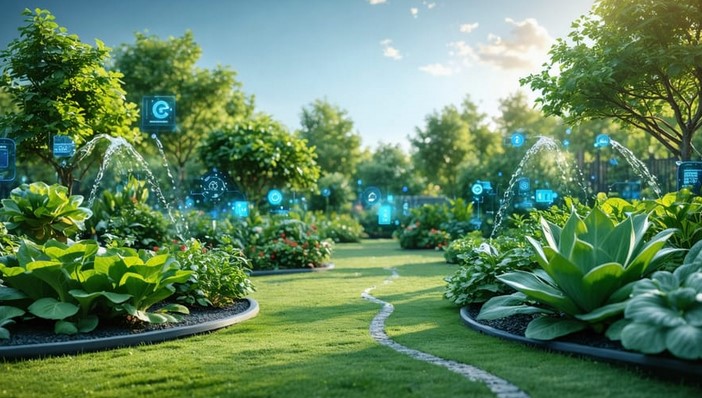
When it comes to maintaining a healthy garden, watering plays a crucial role. However, overwatering or underwatering can lead to poor plant health, wasted water, and increased utility bills. One solution to optimize garden irrigation is the use of smart irrigation timers. These devices help regulate the timing, frequency, and duration of watering cycles, ensuring your garden gets just the right amount of water at the right time. In this article, we will explore how smart irrigation timers work, their benefits, and how to choose and install the right system for your garden’s needs.
1. What Are Smart Irrigation Timers?
A smart irrigation timer is a technology-driven device that automatically controls the watering schedule of your garden or lawn. Unlike traditional timers, which require manual programming, smart irrigation timers connect to your Wi-Fi or smartphone app, allowing you to manage watering schedules remotely. These devices collect real-time weather data, such as rainfall, humidity, and temperature, and adjust watering schedules accordingly. By doing so, they not only save you time but also optimize water usage for a healthier, more sustainable garden.
1.1. How Do Smart Irrigation Timers Work?
Smart irrigation timers use sensors and weather data to determine the best watering schedule for your garden. Most models allow you to set watering preferences for specific zones, ensuring that different areas of your garden (e.g., lawn, flower beds, vegetable patches) receive the ideal amount of water based on their needs. Additionally, smart timers often integrate with weather apps or local weather stations to account for rainfall, so your system won’t waste water if it’s already rained.
For example, if it has rained heavily in the last 24 hours, the smart irrigation timer will automatically skip or reduce the watering cycle, helping to conserve water. These systems also often have sensors that detect soil moisture, making them highly efficient for maintaining the health of your plants without the risk of overwatering.
1.2. Types of Smart Irrigation Timers
Smart irrigation timers come in various models to suit different needs and budgets. Some of the most common types include:
-
Wi-Fi Enabled Timers: These are the most popular option, as they allow you to control watering schedules via a smartphone app, tablet, or computer. You can adjust watering times and receive notifications or alerts about your garden’s irrigation status from anywhere.
-
Weather-Based Timers: These models adjust watering schedules based on local weather conditions, such as rainfall or temperature. By connecting to a local weather station, the timer can make real-time adjustments to optimize watering cycles.
-
Soil Moisture Sensing Timers: These timers measure the moisture level of your soil and adjust the watering schedule accordingly. If the soil is already adequately moist, the system will delay or skip watering, ensuring that your plants aren’t overwatered.
2. Benefits of Using Smart Irrigation Timers
2.1. Water Conservation
One of the most significant benefits of smart irrigation timers is their ability to conserve water. Overwatering is not only wasteful but can also lead to runoff, erosion, and damage to your plants. By using real-time weather data and soil moisture sensors, these systems ensure that your garden receives the right amount of water based on actual need, reducing water waste and promoting sustainability.
With the rise of drought conditions and increasing water restrictions, the use of smart irrigation timers can help homeowners minimize water consumption while keeping their gardens lush and healthy. Studies show that using a smart irrigation system can reduce water usage by up to 50%, depending on the climate and system settings.
2.2. Increased Plant Health
Smart irrigation timers ensure that your garden receives water at the optimal time and in the correct amount. Overwatering can lead to root rot and the proliferation of mold, while underwatering can cause plants to wilt and dry out. By ensuring that your plants are consistently watered without excess moisture, these timers create the perfect conditions for healthy growth.
Additionally, many smart systems allow you to create specific watering schedules for different plant zones in your garden. For example, a vegetable garden may require more frequent watering than a flower bed, and a lawn may need less water in cooler months. Customizing your irrigation system to the specific needs of your plants helps promote stronger, more resilient plants.
2.3. Convenience and Remote Control
Another key benefit of smart irrigation timers is the convenience they offer. With traditional timers, you may need to manually adjust the watering schedule based on seasonal changes or other factors. Smart timers, on the other hand, adjust automatically based on weather conditions or pre-programmed preferences, freeing you from the hassle of manual adjustments.
Moreover, smart timers often integrate with smart home ecosystems, such as Amazon Alexa or Google Assistant, allowing for voice control and seamless integration with other home automation systems. This means you can adjust the watering schedule with a simple voice command or from your smartphone while away on vacation or during your busy workweek.
3. How to Choose the Right Smart Irrigation Timer for Your Garden
3.1. Assess Your Garden’s Needs
Before selecting a smart irrigation timer, it’s important to evaluate your garden’s watering requirements. Does your garden have multiple zones that require different amounts of water? Do you live in an area with frequent rainfall, or do you experience long dry spells? Consider these factors when choosing the right model. For example, if you have a vegetable garden that needs frequent watering, a soil moisture-sensing timer would be ideal. If you live in an area with unpredictable weather, a weather-based timer might be the best option.
3.2. Compatibility with Existing Systems
If you already have a sprinkler system in place, ensure that the smart timer you select is compatible with your current irrigation setup. Most smart timers are designed to work with traditional sprinkler systems, but it’s essential to check the specifications to ensure compatibility. Additionally, some systems are designed to work with specific brands of sprinklers, so make sure to choose a model that aligns with your current system.
3.3. Easy Installation and Setup
Most smart irrigation timers are relatively easy to install, even for beginners. However, you should still consider the level of technical expertise required for installation. Some timers may require basic wiring or integration with your Wi-Fi network, while others may offer plug-and-play installation. Look for models that come with user-friendly instructions and online resources or customer support to guide you through the setup process.
3.4. Budget and Features
The cost of smart irrigation timers can vary significantly based on features and functionality. While basic models may provide simple scheduling and weather-based adjustments, advanced models can offer features like soil moisture sensing, multiple zone control, and integration with smart home systems. Determine which features are most important to you and choose a system that fits your budget and needs.
In conclusion, smart irrigation timers provide a practical, efficient, and sustainable solution for watering your garden. By optimizing water usage, promoting healthier plants, and offering convenient remote control, these devices offer a smarter way to manage your garden’s irrigation needs. Whether you’re looking to conserve water, improve plant health, or streamline your gardening tasks, a smart irrigation system can help you achieve all these goals. As we continue to face environmental challenges such as drought and water scarcity, investing in smart irrigation technology is not only an intelligent choice for your garden but also an important step toward a more sustainable future.