Bamboo Floor Benefits for Sustainable Homes

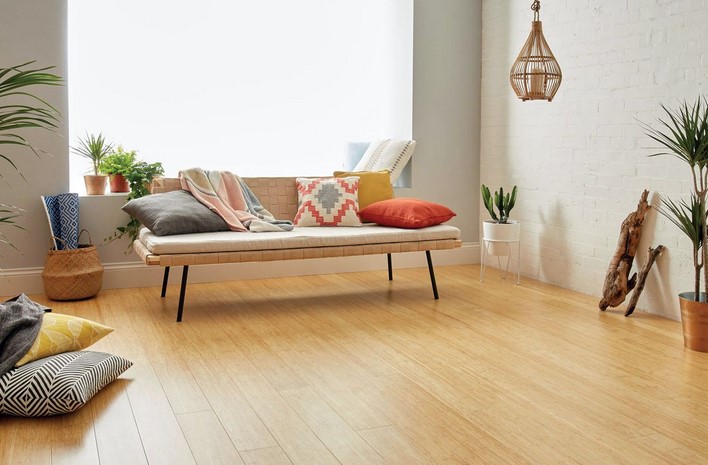
As more homeowners embrace environmentally conscious choices, the demand for sustainable building materials continues to rise. Among these, bamboo floors have emerged as one of the most popular options due to their numerous bamboo floor benefits, making them an excellent choice for homeowners looking to create eco-friendly homes without compromising on style or durability. Bamboo, a fast-growing grass, is an incredibly sustainable resource that offers a range of advantages when used in flooring. In this article, we will explore the numerous benefits of bamboo flooring, highlighting why it is becoming an increasingly popular choice for sustainable homes.
What Makes Bamboo a Sustainable Flooring Option?
Bamboo has been used for thousands of years in various applications, especially in Asia, where it is known for its versatility and rapid growth. Unlike hardwood trees, which can take decades or even centuries to mature, bamboo reaches full maturity in just 3-5 years, making it an incredibly renewable resource. This rapid growth rate is one of the primary bamboo floor benefits, as it allows for harvesting without depleting the environment. In fact, bamboo can be harvested repeatedly from the same plant without the need for replanting, further reducing its environmental impact.
Another factor contributing to bamboo’s sustainability is its minimal water and chemical requirements. Bamboo is naturally pest-resistant and can thrive in a variety of climates without the need for heavy pesticide use. Additionally, bamboo plants help in carbon sequestration by absorbing carbon dioxide at a higher rate than many other plants, contributing to the reduction of greenhouse gases.
By choosing bamboo flooring, homeowners are helping to reduce deforestation and environmental degradation, as bamboo is a more sustainable alternative to traditional hardwood floors. With an increasing number of people prioritizing eco-conscious living, bamboo floors have become a viable option for those seeking to create a sustainable home environment.
Bamboo Floor Benefits: Durability and Aesthetic Appeal
1. Strength and Durability
While bamboo is a grass, it is surprisingly strong and durable. In fact, bamboo flooring is known for being just as durable, if not more so, than traditional hardwood flooring. The strength of bamboo comes from its unique cellular structure, which gives it remarkable resilience. When processed and manufactured correctly, bamboo floors can withstand high levels of foot traffic, making them an ideal option for both residential and commercial spaces.
Additionally, bamboo flooring is highly resistant to moisture, making it a practical choice for areas such as kitchens, bathrooms, and basements where traditional wood floors may warp or deteriorate over time. Its natural resistance to moisture is enhanced when it is treated with environmentally friendly finishes, which also help to improve the floor’s longevity.
Another notable benefit of bamboo flooring is its scratch resistance. Bamboo is more resistant to scratches and dents than many traditional hardwoods, such as oak or maple, which makes it an excellent option for households with children and pets. This durability ensures that bamboo floors can withstand everyday wear and tear while maintaining their appearance over time.
2. Aesthetic Appeal
Bamboo flooring has a distinct and elegant look that appeals to modern home designs. The natural color variations, ranging from light golden hues to darker caramel tones, provide a warm, inviting aesthetic that can complement a variety of interior styles, from traditional to contemporary. Bamboo floors are also available in different finishes, including matte, semi-gloss, and high-gloss, allowing homeowners to choose the look that best suits their décor.
Bamboo can also be processed into different patterns and textures, such as horizontal or vertical grain designs, which can add an element of visual interest to any room. These flooring options give homeowners the flexibility to create unique, personalized spaces while still reaping the bamboo floor benefits.
For those who prefer a more exotic and luxurious appearance, bamboo floors can be made from carbonized bamboo, which is treated through a heating process to deepen the color and enhance the wood’s character. This gives the flooring a rich, dark tone that mimics the look of expensive hardwoods like mahogany or walnut, while still offering the sustainable advantages of bamboo.
Maintenance and Cost-Effectiveness of Bamboo Flooring
1. Easy to Maintain
Bamboo floors are relatively easy to maintain, requiring only regular cleaning and occasional refinishing to keep them looking their best. Sweeping or vacuuming the floor on a weekly basis helps to remove dirt and debris, while mopping with a damp cloth can maintain the shine and finish. Unlike some hardwood floors, bamboo is not prone to extensive warping or cracking over time, as long as it is properly maintained. This ease of upkeep makes bamboo flooring a practical choice for busy households that want to enjoy the beauty of hardwood floors without the constant maintenance.
In areas where high moisture levels are common, bamboo can also be more forgiving than other types of wood flooring. While it’s important to avoid excessive exposure to water, bamboo floors can handle small spills or humidity fluctuations better than traditional hardwood floors, making them ideal for climates with varying weather conditions.
2. Cost-Effectiveness
Although bamboo flooring may initially cost more than some other flooring options, it is often more affordable than high-end hardwoods like teak, walnut, or cherry. When considering the long-term benefits of bamboo flooring, such as its durability, low maintenance, and sustainable nature, it proves to be a cost-effective choice for homeowners.
Furthermore, because bamboo grows so quickly, it is generally less expensive to harvest and manufacture compared to slower-growing hardwoods. This affordability, coupled with the strength and lasting power of bamboo, means homeowners can achieve a high-quality, eco-friendly floor without breaking the bank.
While bamboo flooring may have an initial cost higher than some laminate or vinyl flooring options, the savings on maintenance and the long lifespan of the material make it a smart investment for those looking to create a sustainable, low-maintenance home.
In conclusion, bamboo floor benefits go beyond its environmental sustainability. Bamboo flooring offers a range of advantages, including its durability, strength, aesthetic appeal, and cost-effectiveness, making it an ideal option for homeowners who wish to create a sustainable and beautiful home. With its rapid growth cycle and minimal environmental impact, bamboo is a renewable resource that helps protect forests and promotes a more eco-conscious lifestyle. Whether you are renovating an existing space or designing a new home, incorporating bamboo flooring into your design can help you achieve a stylish, long-lasting, and environmentally friendly living space. By choosing bamboo floors, you are not only investing in your home but also contributing to a greener planet.