Yard Design: Planning and Creating Your Perfect Landscape

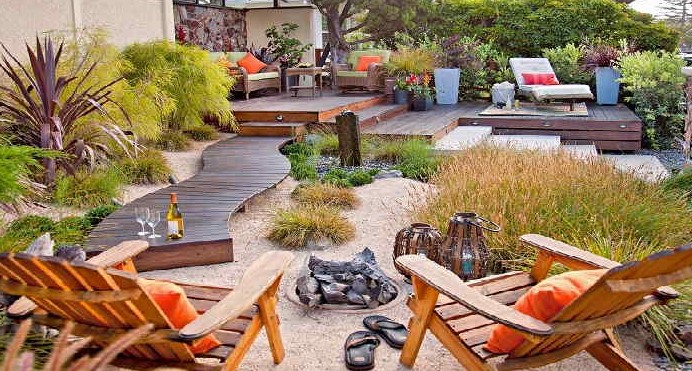
When it comes to creating the perfect outdoor space, yard design plays a crucial role in transforming your vision into reality. A well-planned landscape not only enhances the curb appeal of your home but also provides a functional and inviting environment for relaxation and entertainment. Whether you are starting from scratch or looking to update your current yard, thoughtful planning is the key to creating a harmonious outdoor space that reflects your personal style and meets your needs. In this article, we will explore the essential steps involved in yard design, from assessing your space to choosing plants and features that will complement your lifestyle.
Designing a yard is more than just choosing plants and arranging furniture; it’s about creating a balanced space that considers layout, climate, and function. By following a few key steps and focusing on elements such as plant selection, hardscaping, and outdoor functionality, you can craft a yard that fits seamlessly into your home while providing a space that is both beautiful and practical.
Steps to Plan Your Yard Design
1. Assess Your Space and Define Your Goals
Before diving into the creative aspects of yard design, it’s important to assess the space you are working with and define what you hope to achieve. Consider the size and shape of your yard, its natural features, and how much sunlight or shade different areas receive. Take note of any existing elements you want to keep, such as mature trees, gardens, or structures like patios or sheds. This evaluation will help you determine what parts of the space can be altered and which features should be preserved.
Additionally, think about your goals for the space. Do you want a yard that is perfect for entertaining? Are you looking to create a private oasis with a garden? Perhaps you need a functional space for children or pets to play. Defining your goals early in the process will guide the design choices you make moving forward.
2. Create a Functional Layout
Once you have assessed your space, the next step is to create a functional layout. A good yard design balances aesthetic appeal with practicality. Start by zoning your yard into different sections based on how you plan to use the space. For example, you might want a dining area near the kitchen, a play area for children in a sun-drenched spot, or a quiet garden retreat in a more secluded corner.
Incorporating pathways, fences, and borders can help define these areas while maintaining a cohesive flow throughout your yard. Make sure there is enough space for people to move comfortably between different zones, and that your layout allows for easy access to key features like your driveway, garden, or outdoor living space.
3. Select Plants and Features
The selection of plants and landscaping features is a central part of any yard design. Choosing the right plants involves considering factors such as climate, soil type, and the amount of sunlight your yard receives. Native plants are a great choice because they are well-adapted to local conditions, require less maintenance, and provide important benefits for local wildlife.
When selecting plants, it’s also important to think about the overall aesthetic you want to create. Do you prefer a lush, tropical look, a formal garden with neatly trimmed hedges, or a more natural and wild landscape? Plant groupings, colors, textures, and seasonal changes can all be used to create visual interest and ensure that your yard remains attractive throughout the year.
In addition to plants, consider adding features such as water elements (e.g., fountains, ponds), hardscaping elements (e.g., patios, walkways, retaining walls), or outdoor lighting. These features can enhance the beauty of your landscape while increasing its functionality.
Incorporating Sustainability into Your Yard Design
Eco-Friendly Landscaping Choices
As you plan your yard design, it’s worth considering eco-friendly practices that can help reduce your environmental footprint. Sustainable landscaping focuses on water conservation, reducing chemical usage, and supporting local wildlife. Here are a few ideas for incorporating sustainability into your design:
- Water Conservation: Install a rain garden or use drought-tolerant plants that require less water. Consider incorporating a drip irrigation system to minimize water waste and ensure that your plants receive the right amount of moisture.
- Native Plants: As mentioned earlier, native plants are an excellent choice for sustainable yard design. They require less water, fertilizer, and pesticides than non-native species, making them a more eco-friendly option.
- Composting and Mulching: Use composting techniques to recycle yard waste and enrich your soil naturally. Mulching around your plants helps retain moisture, suppress weeds, and improve the overall health of your garden.
- Solar Power: Install solar-powered lights or features in your yard to reduce electricity consumption and make the most of natural sunlight. Solar lights are an affordable and energy-efficient way to enhance your outdoor space after dark.
By integrating sustainable practices into your yard design, you can create a landscape that is not only beautiful and functional but also environmentally responsible.
Tips for Creating Your Perfect Yard Design
1. Start Small and Scale Gradually
If you’re feeling overwhelmed by the prospect of designing your entire yard at once, start with a small project and build from there. You can begin by redesigning one section of the yard, such as a garden bed or patio, and gradually expand your design over time. This approach allows you to experiment with different ideas and make adjustments without feeling rushed.
2. Incorporate Personal Style
Your yard should be a reflection of your personal tastes and lifestyle. Whether you prefer a minimalist design with clean lines or a more eclectic mix of plants and structures, make sure your yard design aligns with your aesthetic preferences. Look to your home’s architecture for inspiration, and consider the colors, materials, and textures that will complement the exterior of your house.
3. Plan for Maintenance
While a well-designed yard can be a source of pride, it’s also important to plan for its upkeep. Be realistic about how much time you can commit to maintaining your landscape, and choose plants and materials that are easy to care for based on your lifestyle. If you prefer low-maintenance gardening, opt for plants that don’t require constant pruning or watering. Additionally, consider installing features that are easy to clean and maintain, such as stone pathways or automated irrigation systems.
4. Budgeting for Your Yard Design
Yard design can be an investment, so it’s important to create a realistic budget before starting the project. Consider the costs of materials, plants, labor (if necessary), and any special features you wish to add. Setting a budget from the beginning will help you prioritize your needs and avoid overspending. If needed, break the project into phases so that you can spread out the costs over time.
Conclusion: Bringing Your Yard Design to Life
Incorporating thoughtful planning and creativity into your yard design can transform your outdoor space into a beautiful and functional extension of your home. By assessing your space, defining your goals, and selecting the right plants and features, you can create a landscape that suits your personal style and lifestyle needs. Whether you are aiming to build a relaxing garden retreat or a lively area for outdoor entertaining, a well-designed yard will not only increase the value of your property but will also provide a space to relax, entertain, and enjoy the outdoors for years to come. With careful planning and the right elements in place, your perfect landscape is within reach.