Rust Removal: How to Clean a Rusty Cast Iron Skillet

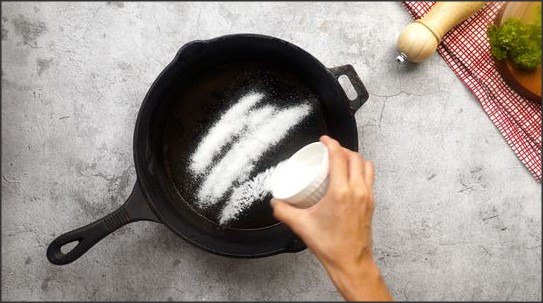
Rust removal is a crucial process in maintaining the longevity and functionality of cast iron skillets. Over time, these skillets can develop rust due to exposure to moisture, which can lead to degradation of the iron and potential health risks. This article will provide detailed steps on how to clean a rusty cast iron skillet, ensuring it remains safe for cooking and extends its lifespan.
Step-by-Step Guide: How to Clean a Rusty Cast Iron Skillet
Rust removal is a crucial aspect of maintaining the longevity and functionality of your cast iron skillet. Over time, these skillets can develop rust due to exposure to moisture, which can compromise the quality of your cooking and potentially pose health risks. However, with the right knowledge and tools, you can effectively clean a rusty cast iron skillet and restore it to its former glory.
The first step in this process is to assess the extent of the rust. Light rusting can be handled with a simple scrubbing, while heavier rust may require more intensive treatment. Regardless of the severity, it’s important to approach the task with patience and care to avoid damaging the skillet further.
To begin, gather your materials. You’ll need a non-metallic scrub brush or a sponge, dish soap, white vinegar, and vegetable oil. It’s worth noting that while soap is typically discouraged in the cleaning of cast iron due to its tendency to strip the skillet’s seasoning, it’s necessary in this case to effectively remove the rust.
Start by washing the skillet with warm water and dish soap, using the scrub brush or sponge to remove any loose rust. Be sure to scrub both the inside and outside of the skillet, paying special attention to any particularly rusty areas. Once you’ve scrubbed as much rust off as you can, rinse the skillet thoroughly and dry it immediately to prevent further rusting.
If your skillet has heavy rusting, a vinegar soak may be necessary. Mix a solution of half white vinegar and half water in a container large enough to submerge your skillet. Soak the skillet in this solution for one to three hours, checking periodically to see if the rust is lifting. Be careful not to leave the skillet in the vinegar solution for too long, as vinegar can eat away at the cast iron.
After the vinegar soak, wash the skillet again with warm water and dish soap, scrubbing away any remaining rust. Rinely thoroughly and dry immediately. At this point, your skillet should be rust-free. However, the process isn’t quite finished yet.
The final step is to re-season your skillet. Preheat your oven to 375 degrees Fahrenheit. Apply a thin layer of vegetable oil to the entire skillet, including the handle and bottom. Place the skillet upside down on the oven’s middle rack, with a piece of aluminum foil on the rack below to catch any drips. Bake for one hour, then turn off the oven and let the skillet cool inside.
Re-seasoning is a critical step in maintaining your cast iron skillet’s non-stick surface and preventing future rust. It’s recommended to repeat this process after every cleaning to keep your skillet in optimal condition.
In conclusion, rust removal from a cast iron skillet may seem like a daunting task, but with the right approach, it’s entirely manageable. By following these steps, you can effectively clean a rusty cast iron skillet and ensure it continues to serve you well in your culinary endeavors. Remember, the key to preventing rust is regular care and maintenance, so always dry your skillet immediately after washing and re-season it regularly.