Pressure Washing Tips for a Pristine Exterior

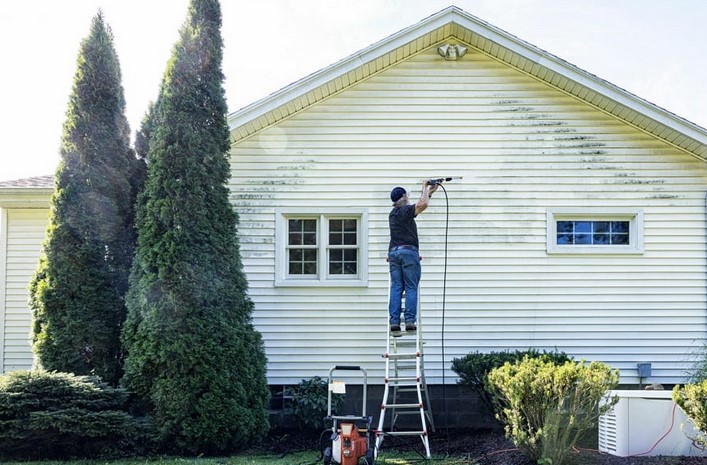
Maintaining the exterior of your home is key to preserving its curb appeal and overall condition. One of the most effective methods for cleaning and revitalizing your home’s surfaces is pressure washing. Whether it’s your driveway, siding, deck, or patio, pressure washing is a powerful tool that can make a dramatic difference. However, using a pressure washer improperly can cause damage, so it’s important to understand the right techniques. In this article, we’ll provide some essential pressure washing tips to help you achieve a pristine exterior without causing harm to your property.
Why Pressure Washing is Important for Your Home
Pressure washing is a highly effective way to clean a variety of outdoor surfaces. Over time, dirt, grime, algae, and other debris can accumulate on your home’s exterior, leaving it looking worn and unkempt. Regular pressure washing can help remove these contaminants, preserving the integrity of your property and enhancing its visual appeal.
In addition to aesthetic benefits, pressure washing also contributes to the longevity of your home’s surfaces. Algae and mildew buildup on wooden decks or siding can cause rot over time, and mold growing on concrete or brick can deteriorate the material. By properly maintaining your home’s exterior with pressure washing, you can prevent these issues from escalating, saving you money on repairs in the long run.
However, before you break out the pressure washer, it’s important to learn some pressure washing tips to ensure you achieve the best results without risking any damage.
Essential Pressure Washing Tips for a Pristine Exterior
1. Choose the Right Pressure Washer for the Job
Not all pressure washers are created equal, and using one that is too powerful can cause permanent damage to delicate surfaces, while one that is too weak may not effectively clean the dirt and grime. Before you begin, determine the appropriate pressure washer for your needs.
- For delicate surfaces such as wood, siding, or painted areas, opt for a lower pressure setting, usually around 1,200 to 1,500 psi (pounds per square inch).
- For tougher surfaces like concrete, driveways, or brick, a pressure washer with a higher psi of 2,500 to 3,000 is usually required to break through the dirt.
Be sure to consult the owner’s manual for your pressure washer and adjust the settings according to the surface you are cleaning. This will help prevent damage while ensuring you get the best results.
2. Use the Right Nozzle for Different Surfaces
Pressure washers come with different nozzle tips, each designed for specific cleaning tasks. Using the wrong nozzle can lead to uneven cleaning or damage to the surface. Most pressure washers include nozzles in various angles, such as 0°, 15°, 25°, 40°, and sometimes a soap nozzle. Here’s a breakdown of how to choose the correct nozzle:
- 0° nozzle: This is a high-pressure stream, ideal for heavy-duty cleaning, but it should be used with caution as it can easily damage surfaces.
- 15° nozzle: A medium-pressure nozzle that is great for cleaning concrete or masonry surfaces.
- 25° nozzle: A versatile nozzle for most surfaces like decks, siding, and fences.
- 40° nozzle: This nozzle delivers a low-pressure fan spray, perfect for rinsing or delicate surfaces like windows or painted areas.
Always start with a wider angle nozzle, especially if you’re unsure of the surface’s durability, and gradually move to a narrower angle for tougher stains.
3. Maintain the Proper Distance from the Surface
Another important aspect of pressure washing is maintaining the correct distance between the nozzle and the surface you’re cleaning. If you hold the nozzle too close to the surface, you risk causing damage to the material, especially on wood or painted surfaces.
- For most surfaces, aim to keep the nozzle at least 6 to 12 inches away.
- For more delicate areas, such as painted siding or wood, increase the distance to 18 inches or more to avoid stripping paint or damaging the material.
When working with a high-powered pressure washer, always err on the side of caution and keep the nozzle at a safe distance from the surface.
4. Pre-Rinse and Use Cleaning Solutions if Necessary
For surfaces that are heavily soiled, such as driveways or patios with oil stains, it can be helpful to pre-rinse the area with water before applying pressure. This helps loosen the debris, making it easier to clean with the pressure washer.
In some cases, you may need to use a cleaning solution to tackle stubborn stains or mildew. Be sure to use a pressure washer-safe detergent and follow the manufacturer’s instructions on how to apply it. Most pressure washers have a soap dispenser that can be used to apply the solution before rinsing with high-pressure water.
- Tip: Always test any detergent or cleaning solution on a small, inconspicuous area to ensure it doesn’t cause discoloration or damage.
5. Move the Wand in a Steady Motion
When pressure washing, it’s important to move the wand in a steady, sweeping motion. Don’t linger too long in one spot, as this can cause streaking or surface damage. Work in long, even strokes, starting from the top and moving downward. This ensures that dirt and debris are washed away evenly, preventing water from being pushed back onto areas that have already been cleaned.
- Tip: For vertical surfaces like walls or siding, work in sections from top to bottom to avoid streaks and ensure that water flows downward without causing dirt to splatter onto already cleaned areas.
6. Be Mindful of Sensitive Areas
Certain areas of your home may require extra care while pressure washing. These include windows, doors, and electrical components. It’s essential to avoid spraying water directly into cracks, crevices, or electrical outlets, as this can cause damage or pose a safety risk.
- Windows: Use a lower pressure setting when cleaning windows, and avoid direct pressure on the glass to prevent cracks.
- Electrical outlets: Never aim the pressure washer nozzle directly at outlets or light fixtures.
When washing delicate areas, take your time and adjust the pressure and nozzle accordingly.
Conclusion
Proper pressure washing techniques are crucial to achieving a pristine exterior without risking damage to your home’s surfaces. By following these essential pressure washing tips, such as choosing the right pressure settings, using the appropriate nozzles, maintaining the proper distance from surfaces, and employing cleaning solutions when needed, you can effectively clean your property while preserving its condition. Remember to always use caution and test new methods on small areas to ensure the best results. With a little preparation and the right tools, your home’s exterior will be looking fresh and beautiful in no time.