Dutch Door Dreams: Understanding the Appeal of Dutch Doors

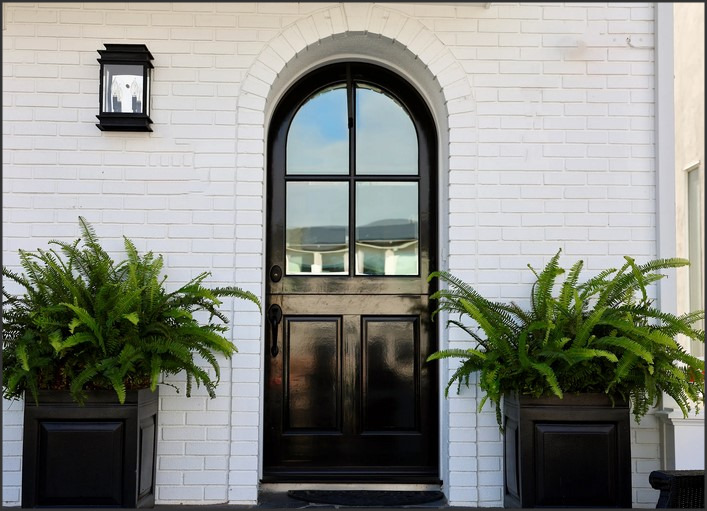
Dutch Door Dreams: Understanding the Appeal of Dutch Doors is an in-depth exploration of the unique charm and functionality of Dutch doors. These doors, also known as stable doors or half doors, are divided horizontally in such a way that the bottom half can remain closed while the top half opens. The book delves into the history, design, and practicality of these doors, highlighting their versatility and the aesthetic appeal they bring to various architectural styles. It also provides insights into why Dutch doors have become a popular choice among homeowners and interior designers worldwide.
What is a Dutch Door? Unraveling the Charm and Appeal of Dutch Door Dreams
Dutch doors, also known as stable doors or half doors, have been charming homeowners for centuries with their unique design and practical functionality. Originating in the Netherlands during the 17th century, these doors were initially designed to keep animals out of the home while allowing fresh air and light to flow in. Today, Dutch doors have evolved into a stylish and versatile addition to homes, offering a blend of aesthetics and practicality that few other door styles can match.
A Dutch door is essentially a door divided horizontally in such a way that the bottom half can remain closed while the top half opens. This design allows homeowners to enjoy the benefits of both a window and a door in a single installation. The bottom half provides security by keeping pets and young children inside, while the top half allows for ventilation and interaction with the outside world.
The charm of Dutch doors lies not only in their unique functionality but also in their ability to add a touch of rustic, country-style charm to any home. They are often associated with cozy, welcoming homes where the door is always open to friends and neighbors. This nostalgic appeal is part of what makes Dutch doors so popular among homeowners looking for a unique and inviting entryway.
In addition to their aesthetic appeal, Dutch doors also offer a range of practical benefits. For instance, they are ideal for homes with pets or young children, as the bottom half of the door can be kept closed to keep them safe while the top half remains open for ventilation. This feature also allows for easy communication with visitors without fully opening the door, adding an extra layer of security.
Moreover, Dutch doors are versatile and can be used in various parts of the home. While they are traditionally used as front doors, they can also be installed in the kitchen, laundry room, or even as an interior door to separate different living spaces. This versatility, combined with their unique design, makes Dutch doors a popular choice for homeowners looking to add a touch of individuality to their homes.
Despite their many benefits, Dutch doors do require a bit more maintenance than standard doors due to their unique design. The separate top and bottom halves need to be properly aligned and regularly checked to ensure smooth operation. However, with proper care and maintenance, a Dutch door can last for many years, providing a charming and practical addition to any home.
In conclusion, Dutch doors offer a unique blend of charm, practicality, and versatility that makes them a popular choice among homeowners. Whether you’re looking to add a touch of rustic charm to your home, need a practical solution for keeping pets or children safe, or simply want a door that stands out from the crowd, a Dutch door could be the perfect choice. With their unique design and practical benefits, it’s easy to see why Dutch doors continue to captivate homeowners’ dreams.