Waterproof Bathroom Flooring: Keep Your Bathroom Dry and Stylish

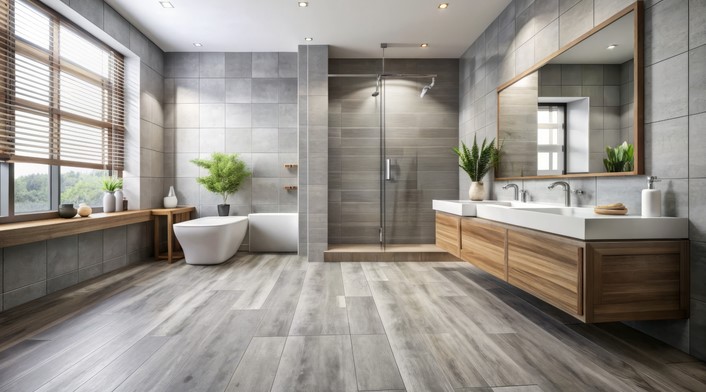
A bathroom is one of the most frequently used rooms in any home, and it’s essential to select the right flooring material to ensure longevity and safety. When it comes to flooring options for the bathroom, moisture resistance is key. Waterproof bathroom flooring not only helps maintain the aesthetic appeal of your space but also prevents water damage that can lead to costly repairs. In this article, we’ll explore why waterproof flooring is a must-have for any bathroom, examine the different types of waterproof flooring materials available, and provide helpful tips for choosing the right option for your bathroom.
1. Why Waterproof Bathroom Flooring is Essential
Bathrooms are notorious for high levels of moisture due to regular use of water from showers, bathtubs, sinks, and toilets. When water seeps into traditional flooring materials like wood or carpet, it can cause them to warp, mold, or rot. This leads to expensive replacements and potential health hazards. That’s where waterproof bathroom flooring comes in. It offers a solution to prevent water damage while also enhancing the visual appeal of your bathroom.
Protection Against Water Damage
The main benefit of waterproof bathroom flooring is its ability to protect the underlying structure of your bathroom from water damage. Traditional flooring options such as hardwood, laminate, and carpet are vulnerable to moisture. When exposed to water, these materials can swell, buckle, or discolor over time, creating an eyesore and a breeding ground for mold. Waterproof flooring, however, creates an impermeable barrier that keeps water from seeping beneath the surface, ensuring the subfloor and walls stay dry.
Maintaining Hygiene and Cleanliness
Waterproof bathroom flooring also helps maintain hygiene. In a damp environment like a bathroom, mold and mildew can accumulate quickly if the flooring doesn’t have proper moisture resistance. Waterproof materials prevent mold growth by blocking moisture penetration, making your bathroom easier to clean and more sanitary. For busy households or high-traffic bathrooms, having a flooring solution that can be easily wiped clean is not only practical but also contributes to a healthier living space.
Durability and Longevity
Another compelling reason to choose waterproof bathroom flooring is its durability. The bathroom is an area where wear and tear is common due to foot traffic, splashes, and accidental spills. Waterproof floors are designed to withstand the daily demands of a bathroom, ensuring that they maintain their beauty and functionality for years. Whether you opt for vinyl, tile, or other materials, waterproof options are engineered to stand the test of time, providing both value and peace of mind.
2. Types of Waterproof Bathroom Flooring
There are several types of waterproof bathroom flooring materials available, each with unique characteristics and benefits. Understanding the different options can help you select the best flooring for your space based on your budget, style preferences, and functional needs.
1. Luxury Vinyl Flooring (LVF)
Luxury vinyl flooring has become one of the most popular choices for waterproof bathroom flooring due to its affordability, versatility, and wide range of designs. LVF mimics the appearance of natural wood, stone, or ceramic tiles, making it an excellent option for homeowners who want a high-end look without the high cost.
Luxury vinyl is 100% waterproof, resistant to scratches, and easy to maintain. Its soft surface makes it comfortable to stand on, and its versatility allows it to be installed in a variety of bathroom designs, from traditional to modern. Additionally, luxury vinyl is often available in click-lock installation systems, which simplify the DIY installation process.
2. Ceramic and Porcelain Tiles
Ceramic and porcelain tiles have long been staples in bathroom design, and for good reason. These materials are naturally waterproof and incredibly durable, making them an ideal choice for bathrooms. Available in a wide range of styles, colors, and sizes, ceramic and porcelain tiles can accommodate almost any design aesthetic.
Porcelain tiles, in particular, are denser and less porous than ceramic, making them even more resistant to water penetration. Both options can be installed with grout, which seals the joints between tiles and further prevents moisture from seeping through. One thing to consider is that grout lines can sometimes collect dirt and mildew, so it’s important to maintain them by sealing the grout regularly.
3. Waterproof Laminate Flooring
While traditional laminate flooring is not recommended for bathrooms due to its vulnerability to moisture, newer waterproof laminate options are now available that offer both style and durability. Waterproof laminate is made with a sealed core that prevents water from penetrating, making it suitable for bathroom environments.
This type of flooring offers the appearance of wood or stone but with greater ease of maintenance and a more affordable price point. Waterproof laminate is also available in a variety of finishes, so you can easily find an option that complements your bathroom’s decor. It’s important to choose a high-quality, water-resistant laminate that’s designed for bathroom use to ensure longevity.
4. Waterproof Cork Flooring
Cork is an eco-friendly option for waterproof bathroom flooring that is gaining popularity due to its unique characteristics. While cork is naturally resistant to mold, mildew, and water, it’s important to choose a cork flooring that has been specially treated for bathrooms to enhance its waterproofing properties.
Cork offers a warm, comfortable surface and has excellent sound-absorbing qualities, making it ideal for bathrooms in apartments or multi-story homes. It’s also a sustainable flooring option, as cork is harvested from the bark of cork oak trees without harming the tree itself. Cork flooring, when properly sealed, can provide long-lasting durability and an aesthetically pleasing look that is both natural and modern.
5. Stone or Slate Flooring
For a more luxurious, high-end look, stone or slate flooring can be an excellent choice for a waterproof bathroom. These materials are naturally waterproof, durable, and resistant to staining, making them well-suited for use in bathrooms. Stone or slate can bring an elegant, rustic, or sophisticated vibe to your bathroom, depending on the type of stone you choose.
While stone and slate are more expensive than other flooring options, their natural beauty and longevity often justify the higher cost. However, stone tiles must be properly sealed to ensure that they remain waterproof and resistant to damage. Regular maintenance of the grout and sealant will ensure your stone floors last for years.
3. How to Choose the Right Waterproof Bathroom Flooring
When selecting the ideal waterproof bathroom flooring, there are several factors to consider beyond just the material. Here are a few key elements to help guide your decision-making process.
1. Style and Aesthetic
The design of your bathroom plays a significant role in choosing the right flooring. If you’re going for a sleek, modern bathroom, luxury vinyl or stone tiles may be a great fit. For a more rustic, organic feel, cork or reclaimed wood-look vinyl might be a better option. Consider the color palette, lighting, and other design elements of your bathroom to ensure the flooring complements the overall aesthetic.
2. Budget
The cost of waterproof bathroom flooring can vary significantly depending on the material you choose. Vinyl and laminate tend to be more affordable options, while porcelain, stone, and slate can be on the higher end. If you’re working with a tighter budget, luxury vinyl or waterproof laminate offers a great balance between cost and performance. On the other hand, if you’re willing to invest in high-end materials, porcelain or stone can provide long-lasting beauty.
3. Maintenance and Care
Some waterproof flooring options require more maintenance than others. For example, grout lines in ceramic and porcelain tiles may need to be resealed over time, while vinyl and laminate options require less upkeep. Cork flooring, while eco-friendly and comfortable, may need periodic sealing to maintain its waterproof properties. Choose a material that aligns with your desired level of maintenance.
4. Comfort
Consider the comfort level of the flooring as well. Cork, for example, is softer underfoot than ceramic or stone tiles, making it ideal for long periods of standing or walking. If comfort is a priority in your bathroom, consider adding an underfloor heating system beneath your flooring for added warmth and comfort.
Waterproof bathroom flooring is a smart and essential investment for any bathroom. It helps protect your home from water damage, improves hygiene, and ensures the longevity of your space. Whether you prefer the luxurious appearance of porcelain tiles, the affordability of vinyl, or the eco-friendliness of cork, there is a wide range of waterproof options to suit every style and budget. By choosing the right flooring material and maintaining it properly, you can ensure your bathroom remains dry, stylish, and functional for years to come.