Smart Speaker Setups: Integrate Technology into Your Home

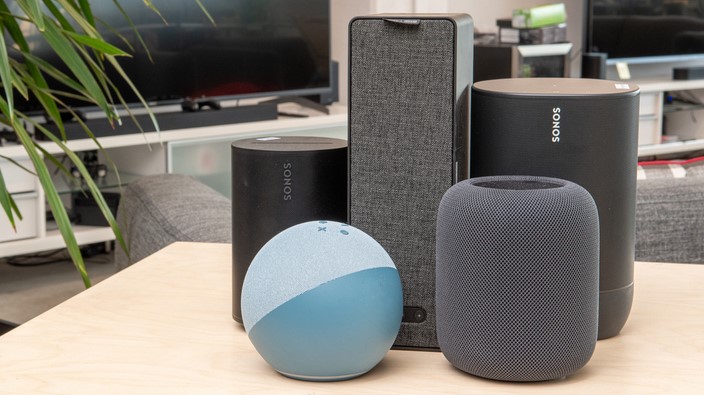
The world of smart home technology has been rapidly advancing, and one of the most popular and accessible innovations is the smart speaker setup. These devices, which combine the functionality of a voice assistant with high-quality audio, offer convenience, entertainment, and improved connectivity in our homes. Whether you’re looking to control your home’s lighting, play music, or manage tasks hands-free, a well-designed smart speaker setup can significantly enhance your home’s functionality. In this article, we’ll explore how to choose, set up, and optimize your smart speaker systems, ensuring you maximize their potential in your home.
What is a Smart Speaker Setup?
Smart speaker setups typically consist of one or more smart speakers that are connected to your home network, enabling you to interact with them via voice commands. These devices are powered by voice assistants such as Amazon Alexa, Google Assistant, or Apple’s Siri, and they can be integrated with a wide range of smart home devices, including lights, thermostats, security cameras, and even kitchen appliances.
The beauty of smart speakers lies in their versatility. Not only can they perform basic tasks like setting alarms or playing music, but they can also serve as the central hub of your smart home system. A well-implemented smart speaker setup helps create a seamless experience where everything in your home works together intuitively, often without the need to physically interact with devices.
Key Benefits of Smart Speaker Setups
1. Hands-Free Control and Convenience
One of the most significant advantages of smart speaker setups is the ability to control your home using only your voice. Whether you’re cooking in the kitchen, lounging on the couch, or cleaning around the house, simply asking your smart speaker to play your favorite music, adjust the thermostat, or turn off the lights gives you unparalleled convenience.
For example, imagine you’ve just walked into your living room after a long day. Instead of fumbling for your phone or manually adjusting your lighting, you can simply say, “Hey Google, dim the lights,” or “Alexa, set the living room to a cozy ambiance.” This level of hands-free convenience is not only practical but can significantly improve your quality of life.
2. Multi-Room Audio and Entertainment
Another significant benefit of smart speaker setups is their ability to provide multi-room audio. By connecting multiple smart speakers across different rooms, you can enjoy synchronized music, podcasts, or radio stations throughout your home. Some setups even allow you to control the volume or pause/play audio from one central location, such as your phone or through voice commands.
For those who enjoy hosting or entertaining guests, a smart speaker setup can transform your home into an interactive, music-filled environment. For example, if you’re hosting a dinner party, you can play background music in the dining room while controlling the audio in other areas of the house. It’s a versatile way to keep the atmosphere flowing without the hassle of managing multiple audio systems.
3. Integration with Other Smart Devices
Smart speakers are often the heart of a broader smart home ecosystem. They can act as the hub that connects all your other smart devices, such as lights, thermostats, security cameras, smart plugs, and more. By integrating your smart speaker with these devices, you can control them through simple voice commands, making it easier than ever to manage your home’s temperature, security, and energy consumption.
For example, using a voice command, you could instruct your smart speaker to turn off the lights and lock the doors as you head to bed. This level of automation simplifies everyday tasks and helps you stay organized, all while making your home more efficient and secure.
How to Set Up a Smart Speaker System
Setting up a smart speaker in your home is a relatively simple process, though there are a few key factors to consider to ensure optimal performance and usability.
1. Choose the Right Smart Speaker for Your Needs
Before diving into the setup process, it’s important to select the right smart speaker that aligns with your needs. Consider factors like audio quality, compatibility with other smart devices, and your preferred voice assistant. Amazon Echo, Google Nest, and Apple HomePod are the primary options available on the market, each with its own unique features.
- Amazon Echo: Known for its integration with Alexa and its ability to work with a wide range of smart home devices.
- Google Nest: Ideal for users who are heavily invested in Google’s ecosystem, offering seamless integration with Google services.
- Apple HomePod: Best suited for those who already use Apple products, offering exceptional sound quality and integration with Apple HomeKit.
2. Placement of Smart Speakers
The placement of your smart speaker is key to getting the most out of it. Ideally, you should position the speaker in an area where it can pick up your voice clearly. In larger rooms or open-plan spaces, consider placing smart speakers in central locations to ensure even sound distribution and optimal voice recognition. If you’re using multiple smart speakers, try placing them in different rooms for the best audio coverage.
3. Connect Your Smart Speaker to Your Network
Once you’ve chosen your smart speaker and determined the best placement, the next step is to connect it to your Wi-Fi network. Most smart speakers come with step-by-step instructions for setting up through a companion app (e.g., the Alexa or Google Home app). This typically involves connecting the speaker to your network, signing into your account, and granting permission for the device to control compatible smart devices.
4. Link Other Smart Devices
After your speaker is connected to the network, the next step is to link it to your other smart devices. This is usually done through the companion app. For example, if you want to control your smart thermostat, you’ll need to ensure it’s linked to the app and then instruct your speaker to control the temperature. The setup process for each device varies, but it is typically straightforward and user-friendly.
Optimizing Your Smart Speaker Setup
Once you’ve set up your smart speaker system, it’s time to optimize its use. Here are some tips for getting the most out of your smart speaker setup:
- Voice Command Customization: Many smart speakers allow you to personalize voice commands. You can program specific phrases to control devices, set routines, or automate tasks based on your preferences.
- Group Devices for Easy Control: If you have multiple smart speakers or devices, consider grouping them by room or function for easier management. For instance, you could create a “Living Room” group to control the lights, thermostat, and entertainment system with one command.
- Explore Automation: Take advantage of automation features like setting triggers or routines. For example, you can program your speaker to turn off all lights and lock the doors when you say, “Goodnight.”
- Regular Updates: Keep your smart speaker software up-to-date to ensure it has the latest features and security patches. Most devices automatically update, but it’s good practice to check periodically.
Incorporating smart speaker setups into your home is a simple yet transformative way to integrate technology into everyday life. Whether you’re enhancing your home’s entertainment system, improving efficiency with smart home integrations, or simply enjoying the convenience of hands-free control, a well-designed smart speaker setup offers endless possibilities. With the right devices, proper placement, and smart configurations, you can create a more connected, intuitive, and enjoyable living space. The future of home automation is here, and it starts with a smart speaker.