Minimalist Furniture Designs for Clean and Modern Interiors

In a world increasingly driven by complexity and clutter, many homeowners and designers are turning to the simplicity and elegance of minimalist furniture designs to create calm, functional, and visually harmonious spaces. Rooted in the principle of “less is more,” minimalist design emphasizes clean lines, essential forms, and a clutter-free environment. These furniture styles are not only aesthetically pleasing but also contribute to the overall well-being of a home by promoting organization and intentional living. In this article, we’ll explore the essence of minimalist furniture, its benefits, popular materials and forms, and practical ways to integrate these designs into various modern interiors.
The Philosophy Behind Minimalist Furniture
Minimalism in furniture design originates from a broader cultural and artistic movement that values simplicity, functionality, and clarity. Instead of ornate embellishments and excessive decoration, minimalist furniture focuses on what is truly necessary and beautiful in its most essential form. This approach leads to interiors that feel open, airy, and effortlessly sophisticated.
The minimalist philosophy also aligns with sustainability. By investing in fewer, higher-quality pieces, homeowners reduce waste and make more intentional purchasing decisions. Moreover, minimalist furniture is often modular and versatile, allowing for multiple uses across different living spaces, which adds practicality to its design ethos.
Key Features of Minimalist Furniture Designs
Clean Lines and Geometric Forms
One of the most recognizable traits of minimalist furniture is its use of clean, straight lines and geometric shapes. Whether it’s a rectangular coffee table, a cube-shaped ottoman, or a linear shelving unit, these pieces rely on simplicity of form to make a statement. Angular edges and unembellished silhouettes create a sleek, modern aesthetic that complements a wide range of interiors.
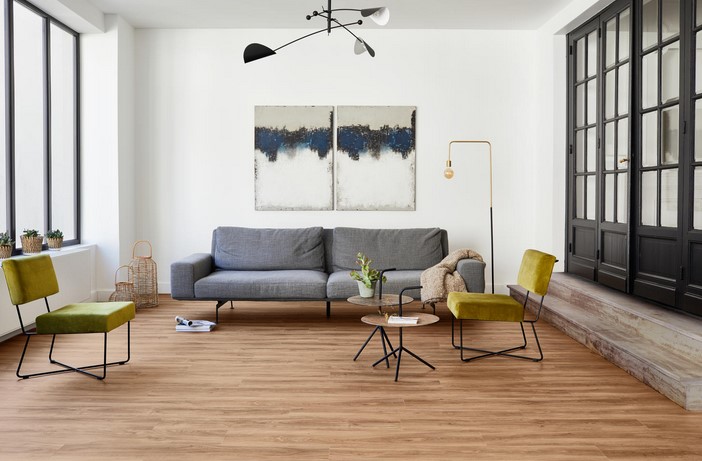
In living rooms, minimalist sofas often feature low profiles, slim arms, and solid-color upholstery. Dining tables and chairs may incorporate sharp edges and exposed structural elements like metal legs or solid wood planks. This kind of simplicity creates visual order and makes the room feel more organized and expansive.
Neutral Color Palettes and Natural Materials
Minimalist furniture frequently incorporates neutral color schemes—think whites, grays, blacks, and soft beiges. These colors act as a blank canvas that allows the architecture of the space and the quality of each furniture piece to stand out. Accents in muted tones like sage green, navy blue, or terracotta can add subtle interest without disrupting the calm atmosphere.
Natural materials are also a cornerstone of minimalist design. Wood, leather, linen, glass, and metal are used in their purest forms to highlight texture and craftsmanship. Oak and walnut bring warmth to minimalist interiors, while stainless steel and tempered glass provide a more industrial, contemporary look.
Functionality and Multipurpose Use
Minimalist furniture often excels in form-meets-function design. Every piece serves a purpose and often includes additional storage or features. For example, a minimalist bed frame may incorporate hidden drawers, or a sleek coffee table might include a lift-up top to reveal storage space inside.
Foldable desks, nesting tables, and extendable dining tables are common in minimalist homes where maximizing space is a priority. These functional elements ensure that minimalist interiors remain practical for everyday living while still maintaining a clean, uncluttered look.
How to Incorporate Minimalist Furniture into Your Home
Start with Decluttering
Before integrating minimalist furniture, it’s important to assess your space and eliminate unnecessary items. Decluttering is the first step toward creating a minimalist interior. Focus on keeping only what serves a purpose or brings joy, and remove furniture that is redundant or overly decorative.
Once you’ve cleared the space, you’ll have a better understanding of what types of furniture you actually need. This makes it easier to choose pieces that align with minimalist principles.
Choose Quality Over Quantity
Minimalism values craftsmanship and durability. Instead of filling a room with many low-cost items, invest in fewer, high-quality pieces that will stand the test of time. A well-made minimalist sofa, for example, can anchor a living room and serve as both a functional and aesthetic centerpiece.
Take time to research materials and construction methods. Look for brands or designers known for sustainable practices and timeless designs. This not only enhances the look of your home but also supports a more eco-conscious lifestyle.
Embrace Open Space and Light
Incorporating minimalist furniture also means embracing open space and natural light. Avoid overcrowding rooms with too many pieces. Let your furniture “breathe” by spacing it out and maintaining visual balance.
Use mirrors, sheer curtains, and light-colored walls to enhance the brightness of your space. These elements work in harmony with minimalist furniture to create interiors that feel open, serene, and welcoming.
Conclusion
Adopting minimalist furniture designs is more than a design choice—it’s a lifestyle decision that promotes simplicity, clarity, and mindful living. By focusing on clean lines, functional forms, and quality materials, minimalist furniture can help transform any room into a modern sanctuary of calm and elegance. Whether you’re furnishing a small apartment or redesigning a spacious home, integrating minimalist furniture designs can lead to more organized, stylish, and meaningful living spaces that reflect your personal values and aesthetic preferences.