Compact Bathroom Layouts: Space-Saving Ideas for Small Bathrooms

When it comes to designing a small bathroom, every square inch counts. For many homeowners, maximizing the available space in a bathroom can feel like a challenge. However, with the right approach and a few clever design tricks, compact bathroom layouts can be transformed into functional, stylish, and comfortable spaces. In this article, we’ll explore various space-saving ideas for small bathrooms and how you can optimize your layout to achieve both efficiency and elegance. From innovative storage solutions to design hacks that create the illusion of space, we’ll provide practical tips to make the most of even the tiniest bathrooms.
1. Understanding the Challenges of Compact Bathroom Layouts
Before diving into design ideas, it’s important to understand the unique challenges that small bathrooms present. Compact bathroom layouts often feature limited space for both functionality and storage, which can make it difficult to include all the features you might want. However, by adopting smart design strategies, you can overcome these challenges and create a bathroom that is both visually appealing and highly functional.
Efficient Use of Vertical Space
One of the most common issues in small bathrooms is the lack of floor space, which makes it hard to store towels, toiletries, and cleaning supplies. To maximize storage, it’s essential to make full use of the vertical space. Installing shelves, cabinets, or even a tall storage unit above the toilet or sink can help free up valuable floor space. Wall-mounted floating vanities and storage units are also great solutions that keep the floor area open, making the room feel less crowded and more spacious.
Prioritizing Functionality Over Excess
In compact bathroom layouts, every item needs to have a specific function. Rather than overloading the room with unnecessary décor or furniture, choose minimalist fixtures and furniture that serve multiple purposes. For example, consider a shower-tub combo if you have limited space for separate units, or opt for a compact toilet that doesn’t compromise on performance.
Light and Color Choices
Light plays a significant role in making a small bathroom appear larger. Opt for bright, neutral colors such as whites, light grays, or soft pastels to open up the space. Additionally, installing ample lighting with strategically placed mirrors can help create the illusion of more space. Natural light is also essential, so consider adding or expanding a window if possible.
2. Clever Design Ideas for Compact Bathroom Layouts
Now that we understand the challenges, let’s dive into specific design ideas and strategies that will help you maximize every inch of your small bathroom. These creative solutions will ensure that your compact bathroom layout is functional, organized, and stylish.
1. Corner Sinks and Toilets
In small bathrooms, using corners wisely is crucial. Consider installing a corner sink or a corner toilet to save on space. These fixtures are designed to fit into the corners of the room, leaving more open floor space for other elements. For instance, corner sinks often have a sleek, space-saving design that doesn’t require much room, while corner toilets can help create a better flow in the bathroom. This allows for more room to maneuver and makes the space feel less cramped.
2. Frameless Glass Showers
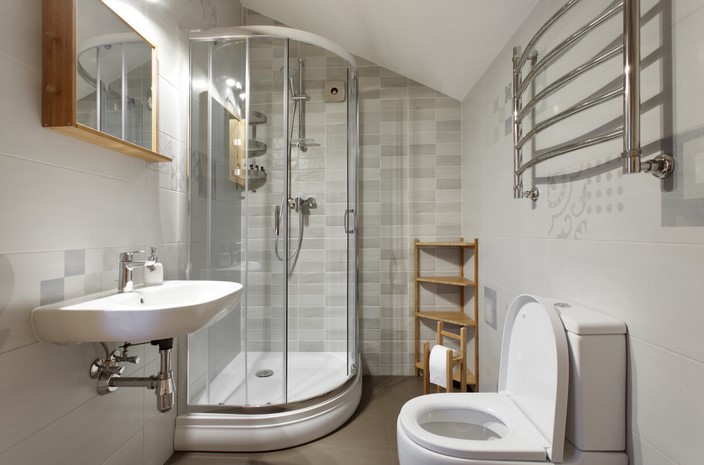
Frameless glass showers are a popular choice in compact bathroom layouts because they open up the visual space and allow light to flow freely throughout the room. Unlike traditional shower curtains or opaque glass doors, frameless glass enclosures make the bathroom appear larger and more airy. Additionally, they’re easy to clean and maintain, making them both a stylish and functional option for small bathrooms.
If a full shower enclosure isn’t possible due to limited space, consider installing a small walk-in shower with a glass partition to further reduce the feeling of being boxed in.
3. Floating Vanities and Wall-Mounted Fixtures
Floating vanities and wall-mounted fixtures are excellent space-saving solutions that work well in compact bathroom layouts. These fixtures are installed above the floor, which visually opens up the space and makes it appear larger. A floating vanity provides storage without occupying valuable floor space, and it also allows for easier cleaning, as the area beneath the unit remains clear.
Another benefit of wall-mounted sinks and vanities is that they create more vertical storage opportunities. You can install shelves or cabinets above them for additional storage or add hooks and towel bars beneath them to maximize the utility of the available space.
4. Slimline Bathtubs and Shower-Tub Combos
If you want both a shower and a bathtub but have limited space, consider opting for a slimline bathtub or a shower-tub combo. Slimline bathtubs are designed to be smaller and more compact, allowing them to fit into tight bathroom layouts while still providing a comfortable bathing experience. Alternatively, a shower-tub combo is a practical and space-efficient solution that allows you to enjoy the benefits of both without taking up extra room. These tubs typically feature a smaller footprint and include a showerhead above, making it a functional choice for those with limited space.
5. Mirrors and Light Fixtures
Mirrors are essential in small bathrooms, not only for practical use but also for creating the illusion of space. A large mirror or multiple strategically placed smaller mirrors can reflect light and make the room feel more expansive. Consider installing mirrors across from windows to reflect natural light and brighten up the room.
In terms of lighting, recessed or mounted lighting can help eliminate any dark corners or shadows. A combination of overhead lighting and wall sconces provides an even distribution of light and reduces the feeling of being in a cramped, poorly lit space.
6. Smart Storage Solutions
In small bathrooms, smart storage solutions are a must. Incorporate cabinets, floating shelves, or hidden storage compartments wherever possible. A vanity with built-in drawers or a mirrored medicine cabinet can provide storage for toiletries without taking up extra space. Additionally, consider using storage baskets or bins to organize smaller items like towels, shampoos, and cleaning supplies. These can be tucked neatly away, preventing the bathroom from looking cluttered.
Look for furniture and fixtures that offer dual-purpose functionality. For example, a vanity with a built-in laundry hamper or an under-sink cabinet that doubles as a towel holder is a great way to save space while still keeping the bathroom organized.
3. The Importance of Layout and Flow in Compact Bathroom Layouts
When designing compact bathroom layouts, one of the most important factors to consider is the flow of the space. Even if you have the most stylish and functional fixtures, the layout will determine how easily you can use them. Proper layout ensures that the bathroom feels balanced and that there is enough space to move around.
1. Use of Open Space
Ensure that there’s enough open floor space to allow for easy movement within the bathroom. Avoid overcrowding the room with too many fixtures or heavy furniture. Instead, aim for a minimalist layout that allows each piece to have a purpose without cramping the space. Consider placing larger items like the sink or toilet closer to one wall to open up the center of the room.
2. Zoning for Different Functions
Another layout strategy is to zone the bathroom for different activities. This can be achieved through the use of different materials, colors, or even partial partitions. For example, you can separate the toilet area from the shower area with a low partition, creating a sense of separation without closing off the space completely. This makes the bathroom feel more organized and less cluttered, allowing you to maximize every square foot.
3. Keep the Essentials Close
When planning your compact bathroom layout, it’s important to prioritize the essential elements—sink, shower or bathtub, and toilet—while keeping them close enough for convenience. For instance, placing the sink next to the shower or tub can help streamline the bathroom’s functionality. Also, avoid placing the toilet too far from the other fixtures, as this can make the space feel disjointed and inefficient.
Compact bathroom layouts offer unique challenges, but with the right design approach, they can be transformed into efficient, functional, and stylish spaces. By utilizing clever space-saving techniques like corner sinks, floating vanities, and frameless glass showers, you can maximize every inch of your bathroom and create a room that feels larger and more open. Through thoughtful planning and smart storage solutions, a small bathroom can be just as practical and beautiful as any larger space. With the ideas and strategies discussed in this article, you can confidently redesign your small bathroom to meet your needs and reflect your personal style, all while maintaining a sense of spaciousness.