Modular Kitchen Designs: A Path to Maximum Efficiency

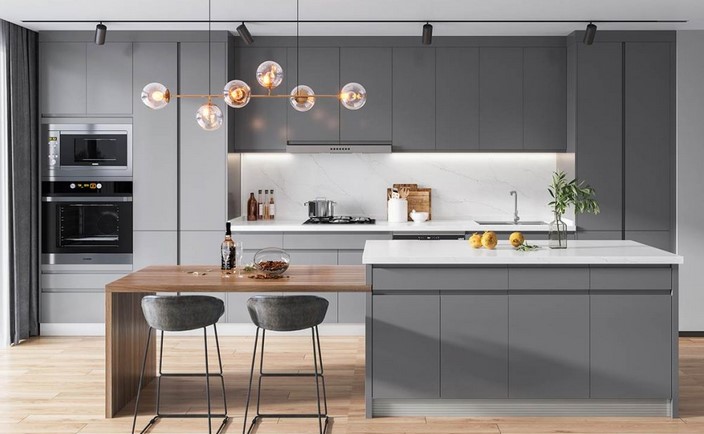
The kitchen is often referred to as the heart of the home, and for good reason. It’s a space where meals are prepared, memories are made, and family and friends come together. When it comes to designing a kitchen that’s both functional and stylish, modular kitchen designs for maximum efficiency are an increasingly popular choice. Modular kitchens are pre-designed units that can be customized to suit your specific space and preferences, offering convenience, organization, and a modern look. In this article, we’ll explore the benefits of modular kitchens, different design ideas, and how you can optimize your kitchen layout for ultimate efficiency.
1. The Benefits of Modular Kitchen Designs
1.1. Space Optimization
One of the primary advantages of modular kitchen designs for maximum efficiency is their ability to optimize the available space. Modular kitchens use pre-designed units that can be arranged in various configurations to make the most of both large and small kitchens. These units typically come in standardized sizes, allowing for flexibility in terms of placement and ensuring that every inch of space is utilized effectively.
In smaller kitchens, modular designs can incorporate space-saving features like pull-out cabinets, corner units, and built-in appliances, which help to avoid clutter and create a streamlined look. For larger kitchens, modular units allow for the creation of specific work zones, such as cooking, prep, and storage areas, all of which enhance workflow and organization.
1.2. Customization and Flexibility
Another significant benefit of modular kitchens is the level of customization they offer. With modular designs, you can choose from a variety of materials, colors, finishes, and hardware options to create a kitchen that matches your style and needs. Whether you prefer a sleek, modern look with minimalistic finishes or a more traditional design with warm wood tones, modular kitchens can be tailored to your specific preferences.
Additionally, modular units can be easily reconfigured if your needs change over time. For example, you can add more storage units, expand counter space, or even update the layout to suit new appliances. This adaptability makes modular kitchen designs a great long-term investment.
1.3. Time and Cost Efficiency
Modular kitchens are also known for being quicker and more cost-effective to install compared to custom-built kitchens. Since the units are pre-manufactured in standard sizes, the installation process is faster, often requiring fewer labor hours. This can reduce both time and labor costs. Furthermore, the availability of ready-made units allows for greater cost predictability, as the overall expense can be determined upfront without the need for extensive custom work.
The modular approach also means you can avoid common mistakes or delays associated with traditional kitchen renovations, which can help to keep the project within your budget.
2. Types of Modular Kitchen Designs
2.1. L-Shaped Modular Kitchen
The L-shaped modular kitchen design is a versatile layout that works well in both small and medium-sized spaces. As the name suggests, this layout forms an “L” shape, with cabinets arranged along two perpendicular walls. This layout maximizes corner space and provides ample counter space for cooking and prepping meals.
In an L-shaped modular kitchen, appliances and work areas can be efficiently arranged to create a smooth workflow, which is ideal for smaller kitchens. This layout can also be expanded with additional units, such as an island or breakfast bar, to increase functionality.
2.2. U-Shaped Modular Kitchen
The U-shaped modular kitchen design offers maximum counter space and storage, making it an ideal choice for larger kitchens. In this layout, cabinets are installed along three walls, creating a U shape. This design allows for ample space to work in and can be equipped with multiple work zones, including areas for cooking, cleaning, and food prep.
The U-shape is perfect for homeowners who enjoy cooking frequently or for families with multiple cooks, as it provides easy access to all essential areas. It’s also a great option for integrating an island or a breakfast bar in the center of the kitchen, further enhancing its functionality.
2.3. Island Modular Kitchen
The island modular kitchen design is a modern and trendy option that adds both style and functionality to a kitchen. A central island, surrounded by cabinetry, provides additional counter space for meal preparation, dining, or even as a space for entertaining guests.
Island designs can be customized with built-in sinks, stoves, or storage, making it a highly practical addition to any kitchen. Island modular kitchens work best in larger spaces, where the island can become the focal point of the kitchen and seamlessly integrate with the rest of the design.
3. Optimizing Your Modular Kitchen Layout for Maximum Efficiency
3.1. Work Triangle Concept
When planning modular kitchen designs for maximum efficiency, it’s essential to incorporate the “work triangle” concept, which involves placing the three main areas of the kitchen—the stove, sink, and refrigerator—at optimal distances from each other. This layout allows for a smooth workflow between these key areas, reducing unnecessary movement and making meal preparation more efficient.
For example, the stove should be positioned near the sink, and the refrigerator should be easily accessible from both the sink and stove. This ensures that ingredients are easy to gather and cooking can be done quickly, without the need to constantly move around the kitchen.
3.2. Smart Storage Solutions
Storage is one of the most important factors when designing a modular kitchen. Efficient storage solutions can help you make the most of your available space while keeping everything organized. Modular kitchen units often include smart storage options, such as pull-out shelves, lazy Susans, and corner cabinets, which make it easier to access items in tight spaces.
In addition to these features, you can add drawer organizers, vertical storage units, and overhead cabinets to further maximize storage capacity. Consider your cooking habits and needs when planning the storage layout, so everything from pots and pans to spices and utensils has a designated spot.
3.3. Integrated Appliances
Integrating your appliances into the modular kitchen design not only enhances the aesthetics but also improves functionality. Appliances such as built-in ovens, dishwashers, and refrigerators can be seamlessly incorporated into the cabinetry, providing a sleek and clutter-free look.
Integrated appliances also help conserve space, making your kitchen look more streamlined and organized. With modular kitchens, you can select appliance units that fit perfectly into your available space, avoiding the need for bulky, freestanding appliances that disrupt the flow of the design.
In conclusion, modular kitchen designs for maximum efficiency are an ideal choice for homeowners looking to enhance the functionality, organization, and aesthetic appeal of their kitchens. With space-saving layouts, customizable designs, and a wide range of features, modular kitchens can be tailored to fit your unique needs and preferences. Whether you’re looking to create a cozy cooking space or a spacious entertaining area, modular kitchens offer the flexibility and convenience to bring your vision to life. By considering key elements like the work triangle, smart storage solutions, and integrated appliances, you can optimize your kitchen for efficiency, making it a space that’s as practical as it is beautiful.