Energy Monitoring Devices to Track Home Usage

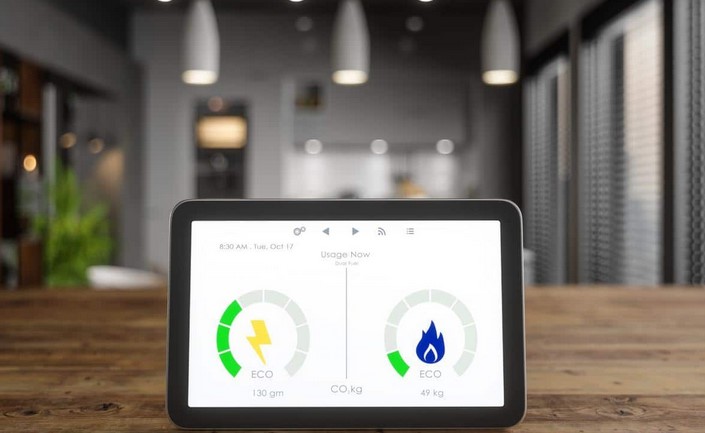
In today’s world, where environmental sustainability and energy conservation have become major priorities, many homeowners are looking for ways to monitor and reduce their energy consumption. One of the most effective tools for achieving this goal is the use of energy monitoring devices. These devices allow homeowners to track their electricity usage in real-time, identify inefficiencies, and take proactive steps to reduce waste. By offering detailed insights into how and when energy is being used, energy monitoring devices can lead to significant savings on utility bills and contribute to a more sustainable lifestyle. In this article, we will explore the various benefits of energy monitoring devices and how they can help you take control of your home’s energy consumption.
What Are Energy Monitoring Devices?
Energy monitoring devices are tools designed to track, measure, and analyze the energy consumption of your home. They can be installed at different points within your electrical system, from individual appliances to the overall energy usage of your entire household. The purpose of these devices is to give you detailed data on how much electricity your home is using, at what times, and for which specific appliances or systems.
These devices typically include a sensor or smart meter that tracks energy usage and provides real-time feedback, often through a mobile app or online platform. Some advanced energy monitoring systems can also provide predictive analytics, showing you how your energy consumption may change based on past behavior or external factors like the weather. The data is then displayed in easy-to-understand graphs, charts, or reports, helping homeowners make informed decisions about their energy habits.
Energy monitoring devices can be installed in various forms, from simple plug-in units to more sophisticated whole-home systems. Whether you’re interested in tracking the energy usage of your refrigerator, your HVAC system, or your entire home, these devices offer a range of solutions to help you understand where and how you can save energy.
The Benefits of Energy Monitoring Devices
1. Identifying Energy-Hungry Appliances
One of the primary benefits of energy monitoring devices is that they help homeowners identify which appliances or systems are consuming the most energy. For example, refrigerators, air conditioning units, water heaters, and lighting can be major contributors to high energy bills. By monitoring these devices, you can determine if any are using more energy than necessary or if they need maintenance to improve efficiency.
Some energy monitoring devices allow you to track individual appliances’ energy consumption through smart plugs or dedicated circuits. By pinpointing which devices are responsible for the highest energy usage, you can make informed decisions about how to reduce your consumption. For example, you may discover that your washing machine uses excessive power, prompting you to switch to more energy-efficient models or modify usage habits, such as running full loads.
2. Lowering Utility Bills
The most direct financial benefit of using energy monitoring devices is the potential for significant savings on your utility bills. By gaining insights into your energy consumption patterns, you can identify opportunities to reduce usage during peak times, avoid unnecessary standby power consumption, and implement energy-saving practices.
Energy monitoring devices also provide feedback on when energy use is highest in your home, helping you pinpoint times when you may be consuming unnecessary electricity. For example, you might find that you’re running appliances at peak energy hours or leaving lights on in unused rooms. Armed with this data, you can make simple adjustments, such as changing the timing of when appliances are used or replacing older, inefficient models with newer, more energy-efficient versions.
3. Promoting Energy Efficiency
Energy monitoring devices offer more than just the ability to track usage—they also help promote energy efficiency. These devices provide actionable insights that enable homeowners to implement practical changes. For instance, some smart devices can connect with your home’s heating and cooling systems to optimize their performance, ensuring that you’re not wasting energy on heating or cooling an empty house.
Many energy monitoring devices come with built-in recommendations for improvement, such as suggesting optimal thermostat settings, or alerting homeowners when a system is operating inefficiently. This can be particularly useful for homeowners who are looking to lower their carbon footprint by adopting more sustainable practices.
Some devices also work in tandem with other smart home technologies, allowing you to automate energy-saving actions. For example, a smart thermostat can be programmed to lower the temperature in the winter when you’re not at home or adjust lighting schedules based on occupancy.
Types of Energy Monitoring Devices
There are several types of energy monitoring devices, each offering unique features and capabilities to meet the needs of different homeowners. Below are some of the most common types:
1. Smart Plugs
Smart plugs are one of the simplest and most affordable options for monitoring energy usage on a smaller scale. These devices can be plugged into any standard electrical outlet, and then any appliance can be plugged into them. They monitor the energy consumption of individual appliances, providing real-time data about their usage. Smart plugs can be controlled via an app, allowing you to turn off appliances remotely or set schedules to ensure devices are not left on unnecessarily.
While smart plugs are ideal for smaller appliances like coffee makers, televisions, or lamps, they may not be sufficient for larger systems like heating or cooling units. However, they are a great starting point for homeowners who want to begin monitoring energy use in specific areas.
2. Whole-Home Energy Monitoring Systems
Whole-home energy monitoring systems are designed to track energy consumption across your entire home. These systems are often installed at your electrical panel, allowing them to monitor the energy use of every circuit in your home. Some models also provide detailed breakdowns of usage by appliance or system, giving homeowners a comprehensive view of their energy consumption.
One of the key benefits of whole-home systems is that they provide a complete picture of your energy usage, which is useful for identifying hidden energy drains and optimizing efficiency throughout your home. Some systems integrate with other smart home devices, such as thermostats or lighting systems, allowing for greater control and automation of energy-saving practices.
3. Smart Thermostats
Smart thermostats are increasingly becoming a part of energy monitoring solutions. These devices not only help regulate the temperature in your home but also monitor energy consumption related to heating and cooling systems. Smart thermostats can adjust the temperature based on your schedule, weather forecasts, and occupancy patterns, ensuring that you are not heating or cooling your home when it’s unnecessary.
Some smart thermostats also provide energy reports that detail how much energy is being used for heating and cooling, helping homeowners adjust their usage patterns for maximum efficiency. These devices are particularly beneficial for families with fluctuating schedules or those who want to optimize their home’s climate control systems.
Energy monitoring devices offer an invaluable tool for homeowners looking to manage and reduce their energy consumption. From whole-home monitoring systems to smart plugs and thermostats, these devices provide insights into how energy is being used and where inefficiencies may lie. By making small adjustments based on the data provided by energy monitoring devices, homeowners can reduce their utility bills, promote energy efficiency, and contribute to a more sustainable future. Whether you’re interested in lowering your carbon footprint or simply saving money on your energy bills, incorporating energy monitoring devices into your home is a smart, proactive step toward more sustainable living.