Painting a Concrete Floor: Tips for a Durable and Attractive Finish

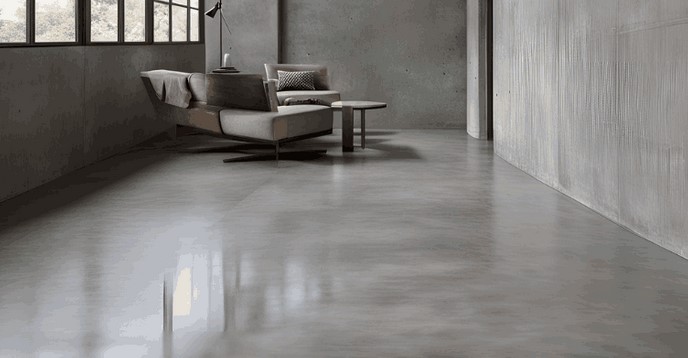
When it comes to updating your home or workspace, painting a concrete floor is one of the most cost-effective and transformative solutions. Concrete floors, commonly found in garages, basements, patios, and even living spaces, can often appear dull, cold, and uninviting. However, with the right preparation, tools, and technique, painting a concrete floor can give it a fresh, modern look while offering protection against wear and tear. Whether you are a DIY enthusiast or a professional looking for efficient ways to refresh your space, this guide will provide you with essential tips for achieving a durable and attractive finish when painting your concrete floor.
The process of painting a concrete floor goes beyond simply applying a coat of paint. To ensure long-lasting results, it’s essential to follow proper surface preparation techniques, choose the right type of paint, and apply it with care. In this article, we’ll walk you through the steps and provide expert advice to help you achieve the perfect painted concrete floor, transforming your space into something both stylish and functional.
Why Paint a Concrete Floor?
Cost-Effective Solution
One of the primary reasons homeowners and business owners choose painting a concrete floor is cost-effectiveness. Replacing or refinishing a concrete floor can be expensive, especially if you need to hire professionals or replace the entire surface. Painting the floor, however, provides a fraction of the cost and can still achieve a remarkable transformation. With just a few supplies, you can revamp the look of your concrete floor and give it new life without breaking the bank.
Durability and Protection
Concrete floors are highly durable by nature, but they are also prone to staining, moisture damage, and wear over time. Applying a high-quality floor paint can protect your concrete surfaces from these issues. A well-applied coat of concrete paint acts as a shield, preventing oil stains, spills, and other contaminants from soaking into the surface. Moreover, certain types of concrete floor paints are designed to be slip-resistant, which is especially important in high-traffic areas such as garages or kitchens.
Aesthetic Appeal
In addition to providing protection, painting a concrete floor can dramatically enhance the aesthetic appeal of your space. With a wide range of colors, finishes, and textures available, you can create a customized look that suits your style. Whether you want a sleek, modern look with a glossy finish or a more natural, matte appearance, painting your concrete floor allows you to choose exactly how you want your floor to look. Decorative options such as stenciled patterns, faux finishes, and color-blocking can further elevate the design.
How to Prepare for Painting a Concrete Floor
Before you begin the process of painting a concrete floor, preparation is key. The better prepared the surface, the more successful your project will be. Below are the essential steps for preparing your concrete floor for paint.
1. Clean the Floor Thoroughly
The first step in painting a concrete floor is to ensure the surface is clean and free from dirt, grease, dust, and other contaminants. Use a broom or vacuum to remove debris from the floor, followed by scrubbing with a concrete cleaner and degreaser to eliminate any oil or grease stains. For stubborn stains, you may need to use a pressure washer or a scrub brush to work the cleaner into the surface. Allow the floor to dry completely before proceeding.
2. Repair Any Cracks or Damage
Concrete floors often develop cracks, chips, or other imperfections over time. These should be repaired before painting to ensure a smooth and even finish. Use a concrete patching compound or filler to fill in any cracks or holes. Once applied, allow the filler to cure, and then sand the surface smooth. If the floor has any large or deep cracks, consider consulting a professional to ensure proper repairs are made.
3. Etch the Concrete Surface
Concrete is a porous material, so it’s essential to etch the surface to allow the paint to adhere better. You can use a commercial concrete etching solution or a mixture of muriatic acid and water. Apply the solution to the floor and scrub with a stiff-bristled brush to open up the pores of the concrete. After the etching process, rinse the floor thoroughly with water and allow it to dry completely before moving on to painting.
Choosing the Right Paint for Concrete Floors
Selecting the right paint for your concrete floor is essential for achieving a durable, long-lasting finish. Not all paints are suitable for concrete, so it’s important to choose a product specifically designed for this type of surface.
Types of Paint
- Epoxy Paint – One of the most popular options for concrete floors, epoxy paint is highly durable and resistant to stains, chemicals, and moisture. Epoxy coatings come in two parts—a resin and a hardener—that must be mixed before application. This type of paint provides a tough, long-lasting finish, making it ideal for high-traffic areas like garages or industrial spaces.
- Acrylic Latex Paint – Acrylic latex paint is a more affordable and user-friendly option for concrete floors. It offers good durability, dries quickly, and is available in a variety of colors. While not as resistant to heavy wear as epoxy, it works well for interior concrete floors in areas like living rooms or bedrooms.
- Concrete Stain – If you prefer a more natural look, consider using a concrete stain rather than paint. Stains penetrate the concrete surface, adding color and enhancing the natural texture of the floor. They offer a more matte finish and are less likely to chip or peel than paint, making them a good option for floors that are subject to heavy foot traffic.
Consider Slip Resistance
In areas like kitchens, bathrooms, and garages, safety should be a priority. Many types of concrete floor paint, particularly epoxy, can be made slip-resistant by adding a non-slip additive to the paint. This feature is especially beneficial in spaces where the floor can become slippery due to moisture or spills.
How to Apply Paint to a Concrete Floor
Step 1: Apply a Primer
Before you begin painting, it’s a good idea to apply a concrete floor primer. A primer helps to ensure better paint adhesion and provides an even base for the paint to stick to. Use a roller or brush to apply a thin, even coat of primer to the floor and allow it to dry according to the manufacturer’s instructions.
Step 2: Paint the Floor
Once the primer is dry, it’s time to start painting. Use a high-quality paint roller to apply the paint in thin, even coats. Begin in a corner of the room and work your way out, ensuring you do not paint yourself into a corner. For the best results, apply two or more coats of paint, allowing each coat to dry completely before applying the next.
Step 3: Allow the Paint to Cure
After the final coat of paint has been applied, allow the floor to cure for the recommended amount of time (typically 24 to 48 hours). Be sure to keep the area dry and avoid heavy foot traffic until the paint has fully set. Once cured, you’ll have a beautifully painted concrete floor that is both durable and visually appealing.
Conclusion: Achieving a Beautiful, Long-Lasting Concrete Floor
Painting a concrete floor is an excellent way to refresh your space and protect your floors from damage. With the right preparation, paint selection, and application technique, you can achieve a durable and attractive finish that will last for years to come. Whether you choose epoxy for a high-traffic area or acrylic latex for a more affordable option, painted concrete floors offer a cost-effective and versatile solution for transforming your home or office. By following the steps outlined in this guide, you’ll ensure your painted concrete floor not only looks great but also stands up to the test of time.